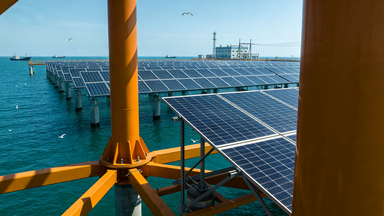
solar energy battery storage
2025-11-11

Solar Energy Battery Storage: Unlocking the Full Potential of Your Solar System
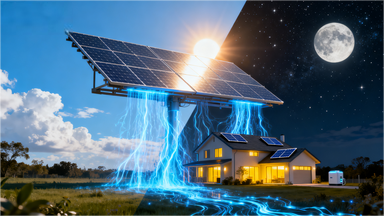
If you’ve invested in solar panels (or are considering it), you’ve already taken a big step toward reducing your carbon footprint and cutting energy bills. But here’s a secret: solar energy battery storage is what turns a good solar setup into a great one. Without a battery, you’re limited to using solar power only when the sun is shining—any excess energy either goes back to the grid (often for little to no compensation) or gets wasted. With a battery, you can store that extra energy to use at night, during power outages, or on cloudy days. It’s the key to true energy independence. Let’s dive into everything you need to know about solar battery storage, from how it works to how to choose the right one for your home.
Why Solar Energy Battery Storage Matters
Before we get into the details, let’s clarify why batteries are a game-changer for solar users:
- Energy Independence: No more relying solely on the grid. With a battery, you can power your home using stored solar energy after sunset, reducing your dependence on utility companies and their fluctuating rates.
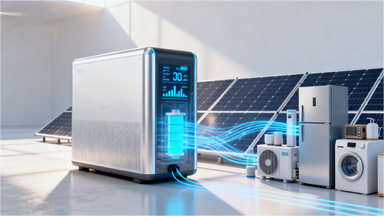
- Backup Power During Outages: When the grid goes down (due to storms, wildfires, or other issues), a solar battery keeps essential appliances—like fridges, lights, and medical equipment—running. Unlike standalone generators, batteries are quiet, emission-free, and require minimal maintenance.
- Maximize Savings: Many utilities use “time-of-use” (TOU) pricing, where electricity costs more during peak hours (e.g., evening when everyone is cooking or using AC). A battery lets you use stored solar energy during these high-cost times, avoiding expensive grid power.
- Reduce Waste: Without a battery, excess solar energy your panels produce during the day is sent back to the grid. With storage, you capture that energy instead of losing it, making your solar system more efficient.
- Support Renewable Energy Goals: By storing solar power, you’re helping to stabilize the grid—r
enewable energy sources like solar and wind are intermittent, and batteries act as a “buffer” to ensure consistent power supply.
How Solar Energy Battery Storage Works
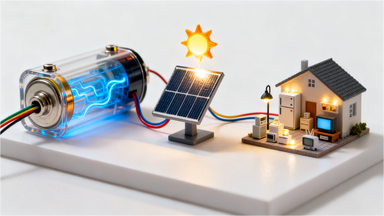
At its core, a solar battery storage system is simple: it collects the extra electricity your solar panels generate, stores it, and releases it when you need it. Here’s a step-by-step breakdown of the process:
- Solar Panels Generate Power: During daylight hours, your solar panels convert sunlight into direct current (DC) electricity.
- Inverter Converts Power: A solar inverter (either string inverter or microinverter) converts the DC electricity into alternating current (AC) electricity—this is the type of power your home uses.
- Power Is Used or Stored:
-
- If your home is using electricity at the same time (e.g., you’re running the dishwasher), the AC power goes directly to power your appliances.
-
- If your panels are producing more power than you’re using, the excess AC power is sent to the battery (after being converted back to DC by a battery inverter, if needed) for storage.
- Stored Power Is Used Later: When the sun sets, or when your energy needs exceed what your panels are producing, the battery releases the stored DC power. The inverter converts it back to AC, and it’s used to power your home.
- Grid Connection (Optional): Most solar battery systems are “grid-tied,” meaning they still connect to the utility grid. If your battery is fully charged and your panels are producing extra power, you can still send energy to the grid (and earn credits in some areas). If your battery is empty and your panels aren’t producing enough, you can draw power from the grid as usual.
-
Key Types of Solar Batteries
Not all solar batteries are created equal. The type you choose will depend on your budget, energy needs, and long-term goals. Here are the most common options:
1. Lithium-Ion Batteries
The Most Popular Choice: Lithium-ion batteries (similar to the ones in your phone or electric car) are the standard for residential solar storage. They’re lightweight, compact, and have a high energy density—meaning they can store a lot of energy in a small space.
Pros: Long lifespan (10–15 years), fast charging, low maintenance, high efficiency (85–95%), and no “memory effect” (you don’t have to drain them fully before recharging).
Cons: Higher upfront cost compared to other types.
Best For: Most homeowners, especially those with limited space or who want a low-maintenance option. Top brands include Tesla Powerwall, LG Chem, and Sonnen.
2. Lead-Acid Batteries
The Traditional Option: Lead-acid batteries have been used for decades (think car batteries) and are one of the most affordable solar storage options.
Pros: Low upfront cost, widely available, and compatible with most solar systems.
Cons: Heavy and bulky, shorter lifespan (3–7 years), lower efficiency (70–80%), and require regular maintenance (to check water levels in “flooded” lead-acid models). They also have a memory effect, so you need to discharge them fully to avoid reducing their capacity.
Best For: Budget-conscious users with space for large batteries (e.g., rural homes) or those who don’t mind regular maintenance.
How to Choose the Right Solar Battery for Your Home
With so many options, selecting a solar battery can feel overwhelming. Here are the key factors to consider:
1. Capacity: How Much Energy It Can Store
Battery capacity is measured in kilowatt-hours (kWh)—this tells you how much energy the battery can hold. To find your ideal capacity:
- Calculate your daily energy usage: Check your utility bills to see how many kWh you use per day (average U.S. home uses ~30 kWh/day).
- Consider your solar production: If your panels produce 20 kWh/day, and you use 15 kWh during the day, you’ll need a battery that can store at least 5 kWh to cover evening use.
- Think about backup needs: If you want to power essential appliances during an outage, calculate their combined wattage (e.g., fridge: 150W, lights: 50W, phone charger: 10W) and how long you’d need them to run.
Example: A 10 kWh battery is a good fit for most homes—it can power essential appliances for 1–2 days or cover evening use for a family.

2. Power Rating: How Much Energy It Can Deliver at Once
Power rating (measured in kilowatts, kW) refers to how much electricity the battery can release at the same time. A higher power rating means the battery can run more appliances simultaneously.
- Continuous power rating: The amount of power the battery can deliver steadily (e.g., 5 kW for 4 hours).
- Peak power rating: The maximum power the battery can deliver for a short time (e.g., 10 kW for 15 minutes, useful for starting high-wattage appliances like AC units).
Tip: If you want to run multiple large appliances (e.g., AC, washer, and oven) at once, choose a battery with a higher continuous power rating (6 kW or more).
3. Lifespan and Warranty
Solar batteries are a long-term investment, so check their lifespan and warranty:
- Lifespan: Lithium-ion batteries last 10–15 years; lead-acid last 3–7 years.
- Warranty: Most reputable brands offer 10–15 year warranties that cover capacity degradation (e.g., “guarantees 70% capacity after 10 years”). Avoid batteries with warranties shorter than 5 years.
4. Compatibility with Your Solar System
Not all batteries work with all solar panels or inverters. Before buying:
- Check if the battery is compatible with your existing inverter (if you’re adding storage to a current solar system).
- If you’re installing a new solar system, look for “all-in-one” packages that include panels, inverter, and battery—these are pre-tested for compatibility.
5. Cost and Incentives
Solar batteries aren’t cheap, but incentives can help offset the cost:
- Upfront cost: A residential lithium-ion battery (10 kWh) costs \(5,000–\)15,000 (including installation). Lead-acid batteries are cheaper (\(2,000–\)5,000) but have shorter lifespans.
- Incentives: Many countries and states offer tax credits, rebates, or grants. For example, the U.S. Federal Solar Tax Credit covers 30% of the cost of solar batteries (as long as they’re paired with solar panels). Check your local utility or government website for available incentives.
Installation and Maintenance Tips
Once you’ve chosen a battery, here’s what to expect during installation and how to keep it running smoothly:
Installation
- Hire a professional: Solar battery installation should be done by a licensed electrician or solar installer. They’ll ensure the battery is safely connected to your solar system and grid, and that it meets local building codes.
- Location matters: Batteries should be installed in a cool, dry, and well-ventilated area (e.g., garage, basement, or exterior wall). Extreme temperatures (above 95°F/35°C or below 32°F/0°C) can reduce battery lifespan and efficiency.
- Permits: You may need a building permit or electrical permit before installation—your installer can help with this.
Maintenance
- Lithium-ion batteries: Almost no maintenance required. Just keep the area around the battery clean and dry, and check the manufacturer’s app (many batteries have smart monitoring apps) for updates on capacity and performance.
- Lead-acid batteries: Check water levels every 3–6 months (for flooded models) and keep the terminals clean to prevent corrosion.
- Regular checks: Have your solar installer inspect the battery once a year to ensure it’s working properly and to address any issues early.
-
The Future of Solar Energy Battery Storage
As renewable energy becomes more popular, solar battery technology is advancing rapidly. Here are some trends to watch:
- Lower costs: The price of lithium-ion batteries has dropped by more than 80% in the last decade, and this trend is expected to continue.
- Better performance: New batteries are being developed with higher energy density, longer lifespans, and faster charging times.
- Smart integration: Future batteries will work with smart home systems to optimize energy use—for example, automatically charging during peak solar production and discharging during peak grid rates.
- Grid-scale storage: Utility companies are investing in large-scale solar battery systems to stabilize the grid and make renewable energy more reliable. This will eventually benefit homeowners by reducing grid outages and lowering electricity costs.
Final Thoughts
Solar energy battery storage is no longer a “nice-to-have”—it’s a “must-have” for anyone who wants to get the most out of their solar panels. It gives you energy independence, saves you money on utility bills, and provides peace of mind during power outages. While the upfront cost may seem high, the long-term savings and incentives make it a smart investment.
If you’re ready to add a battery to your solar system (or build a new solar + storage setup), start by calculating your energy needs, researching compatible batteries, and finding a reputable installer. With the right battery, you’ll be able to harness the power of the sun 24/7.
Have questions about solar battery storage for your home? Drop a comment below—I’d be happy to help!
solar energy
is solar energy renewable
Related Article
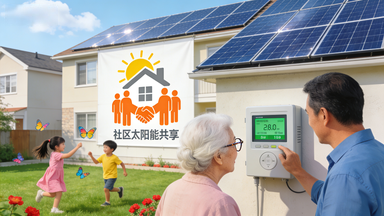
In an era where climate change urgency and energy security concerns dominate global conversations, the shift to renewable energy has moved from a "nice-to-have" to a necessity.
green mountain energy
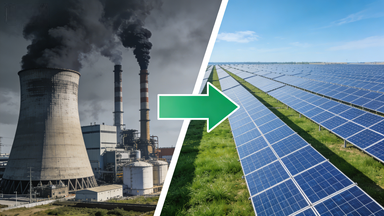
As the global community grapples with climate change, energy security, and rising fossil fuel costs, solar energy has emerged as a beacon of hope in the transition to a cleaner, more sustainable energy system.
pros of solar energy