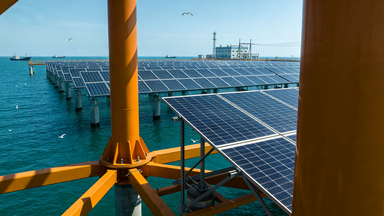
solar energy for household
2025-11-05

Solar Energy for Household: Powering Your Home Sustainably and Affordably
In an era where rising electricity bills, environmental concerns, and the desire for energy independence are top of mind for homeowners, solar energy has emerged as a game-changing solution. No longer just a “green trend,” household solar power systems are now more accessible, efficient, and cost-effective than ever before. Whether you’re looking to slash your monthly utility costs, reduce your carbon footprint, or gain greater control over your energy supply, switching to solar for your home is a decision that pays off—both for your wallet and the planet. Let’s dive into everything you need to know about bringing solar energy into your household.
Why Choose Solar Energy for Your Household?
Before we get into the “how,” let’s start with the “why.” The benefits of household solar power extend far beyond just saving money—they’re a long-term investment in sustainability and resilience. Here are the key advantages:
1. Lower Electricity Bills
The most immediate perk? Reduced monthly energy costs. Once your solar system is installed, it generates free electricity using sunlight—meaning you’ll rely less (or even not at all) on grid power. In many cases, homeowners see a 50-80% drop in their electricity bills. Some even generate more power than they use, allowing them to sell the excess back to the grid (a program called “net metering” offered by most utility companies).
2. Environmental Sustainability
Solar energy is 100% renewable and clean. Unlike fossil fuels (coal, natural gas, oil) that release harmful greenhouse gases (like CO2) when burned, solar panels produce no emissions during operation. A typical household solar system can offset 3-4 tons of carbon dioxide per year—equivalent to planting over 100 trees annually. By going solar, you’re directly contributing to fighting climate change and protecting the environment for future generations.
3. Energy Independence and Reliability
Grid outages can happen unexpectedly—whether due to storms, natural disasters, or infrastructure issues. With a solar system paired with a battery storage unit, you can keep essential appliances (like refrigerators, lights, and medical equipment) running even when the grid goes down. This gives you peace of mind and ensures your home stays functional during emergencies.
4. Increased Home Value
Studies show that homes with solar panels sell faster and for more money than non-solar homes. According to the National Renewable Energy Laboratory (NREL), every \(1 saved on annual electricity bills adds approximately \)20 to a home’s resale value. For example, a solar system that saves \(500/year could boost your home’s value by \)10,000. It’s a win-win: you save money while living there, and you earn more when you sell.

What You Need to Know About Household Solar Systems
Not all solar setups are the same—understanding the basics of how they work and what components you need will help you make informed decisions.
Key Components of a Household Solar System
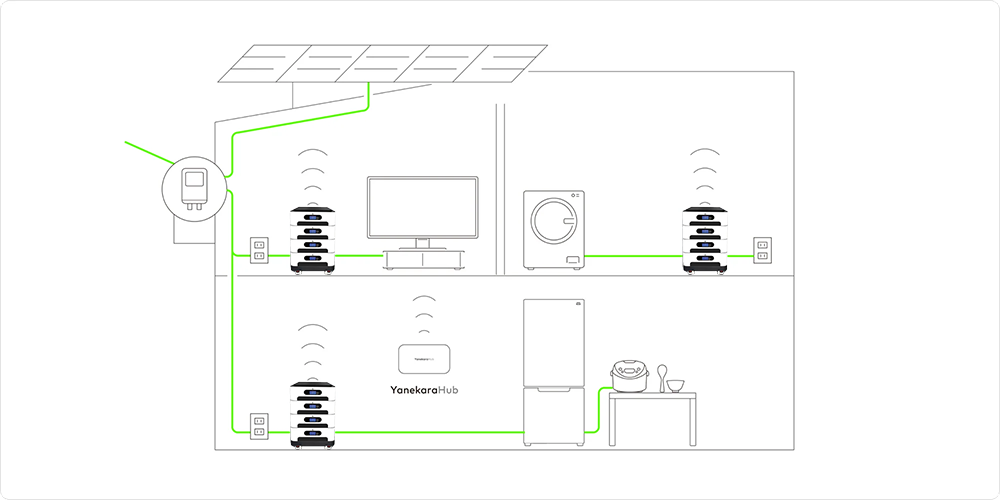
A standard residential solar system consists of four main parts:
- Solar Panels: These are the most visible part—usually mounted on your roof or a ground rack. They convert sunlight into direct current (DC) electricity using photovoltaic (PV) cells.
- Inverter: Since most household appliances run on alternating current (AC) electricity, the inverter converts the DC power from the panels into usable AC power.
- Battery Storage (Optional): A battery stores excess electricity generated during the day for use at night (when the sun isn’t shining) or during power outages. Popular options include Tesla Powerwall, LG Chem, and Sonnen.
- Net Meter: If you’re connected to the grid, a net meter tracks how much electricity your system generates versus how much you use. It spins forward when you draw power from the grid and backward when you send excess power back—earning you credits from your utility company.
Types of Solar Panel Installations for Homes
The two most common ways to install solar panels in a household are:
- Roof-Mounted Panels: The most popular choice, as they use existing roof space without taking up yard area. Ideal if your roof is in good condition, faces south (in the Northern Hemisphere) or north (in the Southern Hemisphere), and isn’t shaded by trees or buildings.
- Ground-Mounted Panels: A great option if your roof is too small, shaded, or structurally unsound. They’re installed on a rack in your yard, allowing you to position them for maximum sunlight exposure. They’re slightly more expensive than roof-mounted systems but offer more flexibility.
-
How to Install Solar Energy in Your Household: A Step-by-Step Guide
Switching to solar doesn’t have to be complicated. Here’s a simple breakdown of the process:
Step 1: Assess Your Home’s Solar Potential
First, determine if your home is a good fit for solar. You can do this by:
- Checking sunlight exposure: Use tools like Google’s Project Sunroof (free online) to see how much sunlight your roof receives throughout the year. Shade from trees, chimneys, or neighboring buildings can reduce efficiency, so trimming trees or choosing a different installation spot may be necessary.
- Evaluating your roof: A roof that’s 10-15 years old or newer is ideal (since solar panels last 25-30 years). If your roof needs replacement soon, it’s best to do that before installing panels.
- Calculating your energy needs: Look at your past 12 months of electricity bills to understand how much power your household uses. This will help you determine the size of the solar system you need (measured in kilowatts, or kW).
Step 2: Choose a Solar Installer
While some handy homeowners attempt DIY solar, hiring a professional installer is recommended for safety, efficiency, and to qualify for warranties and incentives. When selecting an installer:
- Look for certifications: Choose a company certified by the North American Board of Certified Energy Practitioners (NABCEP)—the gold standard for solar professionals.
- Get multiple quotes: Compare 3-4 installers to ensure you’re getting a fair price. Ask about the type of panels they use, warranty terms, and installation timeline.
- Check reviews: Read customer reviews on sites like Yelp, Google, or Angie’s List to gauge the installer’s reputation for quality and customer service.
Step 3: Secure Permits and Incentives
Before installation, your installer will help you obtain the necessary permits from your local government (these ensure the system meets safety and building codes). Additionally, take advantage of financial incentives to lower your upfront costs:
- Federal Tax Credit: In the U.S., the Solar Investment Tax Credit (ITC) allows you to deduct 30% of the cost of your solar system from your federal income taxes (valid through 2034).
- State and Local Rebates: Many states, cities, and utility companies offer rebates, grants, or low-interest loans for solar installations. Check your state’s energy office website for details.
- Net Metering: As mentioned earlier, net metering lets you sell excess power back to the grid—ask your utility company if they offer this program.
Step 4: Install the System
Once permits are approved, the installation process typically takes 1-3 days (depending on the system size). The steps include:
- Preparing the roof/ground: The installer will clean the area, repair any damage, and install mounting brackets.
- Installing the panels: Panels are attached to the brackets and wired together.
- Adding the inverter and battery (if applicable): These are usually installed in a garage, basement, or exterior wall.
- Connecting to the grid: The installer will work with your utility company to connect the system to the grid and install the net meter.
Step 5: Inspect and Activate
After installation, a local inspector will check the system to ensure it’s safe and up to code. Once approved, your utility company will activate the net meter, and you can start using solar power!

Cost and ROI: Is Household Solar Worth It?
One of the biggest questions homeowners have is: “How much does solar cost, and when will I get my money back?”
Upfront Costs
The cost of a household solar system varies based on size, location, and equipment, but the average price in the U.S. is \(2.50-\)3.50 per watt. For a typical 5kW system (enough to power a medium-sized home), the upfront cost is \(12,500-\)17,500. However, with incentives like the 30% federal tax credit, this cost drops to \(8,750-\)12,250.
Return on Investment (ROI)
The time it takes to recoup your investment (payback period) depends on your electricity rates, system size, and incentives. In most cases, homeowners see a payback period of 5-10 years. After that, the electricity generated by the system is essentially free for the remaining 15-20 years of the panel’s lifespan.
For example: If your monthly electricity bill is \(150, a solar system could cut that to \)30/month (saving \(120/month, or \)1,440/year). With an upfront cost of \(10,000 (after incentives), your payback period would be about 6.9 years. After that, you’d save \)1,440/year for the next 18+ years—totaling over $25,920 in savings!

Tips for Maximizing Your Household Solar System’s Efficiency
To get the most out of your solar investment, follow these tips:
- Keep panels clean: Dust, dirt, and debris can reduce efficiency by 10-25%. Clean them with a soft brush and water every 3-6 months (or after heavy rain/snow).
- Optimize panel placement: Ensure panels are angled correctly (usually 30-45 degrees) to face the sun. If you have a ground-mounted system, adjust the angle seasonally (steeper in winter, flatter in summer).
- Use energy during the day: Try to run high-energy appliances (washing machines, dryers, dishwashers) during daylight hours when your system is generating the most power. This reduces your reliance on grid power (and saves more money).
- Invest in a battery: A battery lets you store excess power for night use, so you don’t have to draw from the grid after sunset. It also provides backup power during outages—making it a smart addition for areas with frequent storms.
Final Thoughts: Should You Go Solar?
If you’re a homeowner looking to save money, reduce your environmental impact, and gain energy independence, the answer is a resounding “yes.” Household solar systems have never been more affordable or accessible, and with long-term warranties (most panels come with 25-year warranties), you can trust that your investment will last.
Every home is different, so start by assessing your solar potential and getting quotes from reputable installers. The sooner you switch to solar, the sooner you’ll start reaping the benefits—for your wallet and the planet.
Have questions about installing solar in your home? Drop a comment below—I’d be happy to help!
advantages of solar energy
battery energy storage system
Related Article
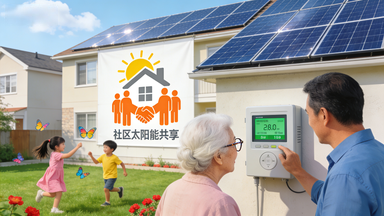
In an era where climate change urgency and energy security concerns dominate global conversations, the shift to renewable energy has moved from a "nice-to-have" to a necessity.
green mountain energy
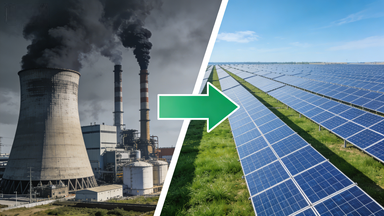
As the global community grapples with climate change, energy security, and rising fossil fuel costs, solar energy has emerged as a beacon of hope in the transition to a cleaner, more sustainable energy system.
pros of solar energy