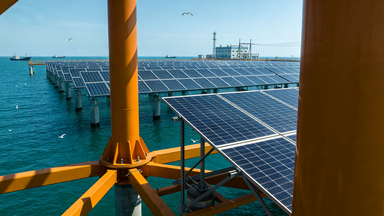
solar energy system
2025-11-03
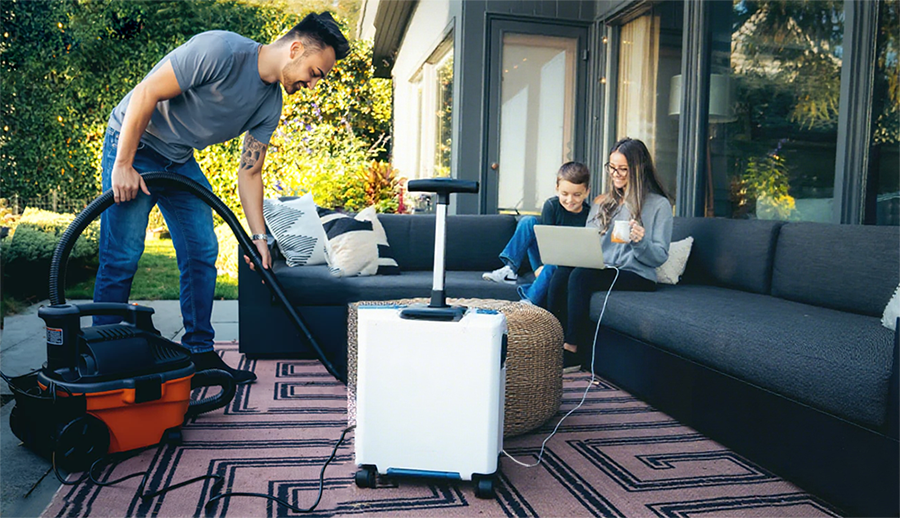
In an era where sustainability and energy independence are top priorities, solar energy systems have emerged as a game - changing solution for homeowners, businesses, and even communities. Unlike fossil fuels that deplete over time and release harmful emissions, solar energy relies on the sun—a free, renewable resource—to generate electricity. But what exactly is a solar energy system, and how does it work? This blog will break down the basics of solar energy systems, their key components, installation process, and the benefits they offer, helping you decide if going solar is right for you.

What Is a Solar Energy System?
A solar energy system, often called a photovoltaic (PV) system, is a setup designed to capture sunlight and convert it into usable electricity. It works by using solar panels (the most visible part of the system) to absorb sunlight, which then triggers a reaction in the panels’ cells to produce direct current (DC) electricity. Since most homes and businesses use alternating current (AC) electricity, the system also includes components to convert DC to AC and distribute power efficiently.
Solar energy systems aren’t one - size - fits - all. They can range from small, rooftop setups for residential homes to large, ground - mounted arrays for commercial buildings or solar farms. The size and type of system you need depend on your energy usage, budget, and available space.
Key Components of a Solar Energy System
To understand how a solar energy system works, let’s look at its main parts:
1. Solar Panels
Solar panels are the heart of the system. They’re made up of multiple photovoltaic cells (usually made of silicon) that absorb sunlight. When sunlight hits the cells, it knocks electrons loose from their atoms, creating an electric current (this is called the photovoltaic effect). Most residential systems use 60 - cell or 72 - cell panels, which are designed to fit on standard rooftops. Panels are rated by their wattage (e.g., 300W to 450W per panel), which tells you how much electricity they can produce under ideal sunlight conditions.
2. Inverter
As mentioned earlier, solar panels produce DC electricity, but your home uses AC electricity. The inverter solves this problem by converting DC power to AC power. There are two main types of inverters:
- String Inverters: These connect multiple solar panels in a “string” and convert the combined DC power to AC. They’re cost - effective and work well for homes with unshaded rooftops.
- Microinverters: These are attached to each individual solar panel. They convert DC to AC right at the panel, which is ideal if your rooftop has partial shading (since shading one panel won’t affect the others) or if you want more flexibility in panel placement.
3. Mounting System
Solar panels need a stable structure to sit on, whether it’s your rooftop or the ground. The mounting system (also called a racking system) secures the panels in place and ensures they’re angled correctly to capture the most sunlight. For rooftops, mounts are attached to the roof’s rafters (not just the shingles) to handle wind, rain, and snow. Ground - mounted systems use metal frames anchored to concrete footings, which is a good option if you have extra land and your roof isn’t suitable for panels.
4. Battery Storage (Optional)
While not required, a solar battery is a valuable addition to a solar energy system. It stores excess electricity produced during the day (when sunlight is strongest) so you can use it at night or during power outages. Popular battery options include lithium - ion batteries (which are compact and long - lasting) and lead - acid batteries (which are more affordable but heavier). Adding a battery can increase your energy independence and help you save more on utility bills.

5. Monitoring System
Most modern solar energy systems come with a monitoring system (either a mobile app or web portal) that lets you track how much electricity your system is producing in real time. You can see daily, weekly, or monthly energy output, check for any issues (like a faulty panel), and even calculate your carbon footprint savings. This tool helps you stay on top of your system’s performance and ensure it’s working as efficiently as possible.
How to Install a Solar Energy System: A Step - by - Step Overview
Installing a solar energy system is a process that involves planning, permits, and professional work. Here’s a simplified breakdown of what to expect:
Step 1: Assess Your Property and Energy Needs
First, a solar installer will visit your property to evaluate if it’s suitable for solar. They’ll check:
- Sunlight Exposure: How much direct sunlight your rooftop or land gets (shade from trees, buildings, or chimneys can reduce efficiency).
- Roof Condition: The age, material, and slope of your roof (a roof that’s less than 10 years old is ideal; if it’s older, you may need to replace it before installing panels).
- Energy Usage: They’ll review your past utility bills to determine how much electricity you use each month, which helps size the system correctly (e.g., a family that uses 1,000 kWh/month may need a 7kW to 8kW system).
Step 2: Get Permits and Approvals
Before installation, you’ll need to obtain permits from your local government (this ensures the system meets building codes and safety standards). Your installer will usually handle this process for you, but it can take a few weeks to a month, depending on your area. Some homeowners associations (HOAs) also require approval for rooftop solar panels, so be sure to check their rules.
Step 3: Install the System
Once permits are approved, the installation team will:
- Install the mounting system on your rooftop or ground.
- Attach the solar panels to the mounts.
- Wire the panels to the inverter (which is usually installed near your electrical panel).
- (If adding a battery) Connect the battery storage system to the inverter.
The installation itself typically takes 1 to 3 days for a residential system, depending on the size and complexity.
Step 4: Inspections and Activation
After installation, a local inspector will check the system to ensure it’s safe and up to code. Once it passes inspection, your utility company will come to connect the system to the grid (this is called “net metering”). Net metering lets you sell excess electricity your system produces back to the grid, which can lower your utility bills even further. Finally, your installer will activate the system and show you how to use the monitoring app.
Why Choose a Solar Energy System?
There are many reasons to invest in a solar energy system, including:
1. Save Money on Utility Bills
Solar energy reduces or eliminates your reliance on grid electricity, which means lower monthly utility bills. Over time, the savings can add up to thousands of dollars. For example, a typical residential solar system in the U.S. can save homeowners \(1,000 to \)1,500 per year, and the system will pay for itself in 7 to 12 years (depending on location and energy costs).
2. Reduce Your Carbon Footprint
Solar energy is clean and renewable—unlike coal, natural gas, or oil, it doesn’t produce greenhouse gas emissions that contribute to climate change. A single residential solar system can reduce carbon emissions by 3 to 4 tons per year, which is equivalent to planting 100+ trees annually.
3. Increase Home Value
Homes with solar energy systems sell faster and for more money than homes without them. Studies show that solar - equipped homes can increase in value by $15,000 or more, and they often sell within a few weeks of being listed.
4. Energy Independence
With a solar system (especially one with battery storage), you’re less affected by power outages and rising energy costs. You’ll have a reliable source of electricity even if the grid goes down, which is especially valuable during natural disasters or extreme weather.

Maintenance Tips for Your Solar Energy System
Solar energy systems are low - maintenance, but a little care can keep them working efficiently for 25 to 30 years (the typical lifespan of solar panels). Here are some tips:
- Clean the Panels Regularly: Dirt, dust, leaves, or bird droppings can block sunlight and reduce output. Clean the panels with a soft brush and water every 3 to 6 months (or more often if you live in a dusty or rainy area). Avoid using harsh chemicals, as they can damage the panels.
- Check the Inverter: The inverter has a display that shows if the system is working properly. If you see an error message, contact your installer right away. Most inverters need to be replaced after 10 to 15 years, so keep that in mind for long - term maintenance.
- Trim Shading Vegetation: If trees or bushes start to shade your panels, trim them back to ensure maximum sunlight exposure.
- Schedule Annual Inspections: Have a professional installer check your system once a year to look for loose wires, damaged panels, or other issues. This can catch small problems before they become big, expensive ones.
Final Thoughts
Solar energy systems are a smart, sustainable investment that benefits both your wallet and the planet. Whether you’re a homeowner looking to save on bills, a business owner wanting to reduce emissions, or someone who values energy independence, solar power has something to offer. With advances in technology and falling costs, there’s never been a better time to switch to solar.
If you’re interested in learning more about solar energy systems—like how much a system would cost for your home or which incentives are available in your area—reach out to a local, reputable solar installer. They can give you a customized quote and help you start your journey to clean, renewable energy.
Have questions about solar energy systems? Share them in the comments below—I’d love to help!
battery energy storage system
how is solar energy produced
Related Article
In an era where climate change urgency and energy security concerns dominate global conversations, the shift to renewable energy has moved from a "nice-to-have" to a necessity.
green mountain energy
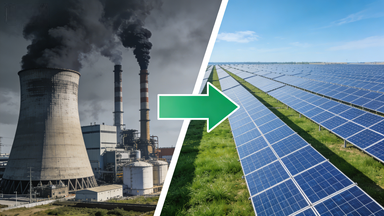
As the global community grapples with climate change, energy security, and rising fossil fuel costs, solar energy has emerged as a beacon of hope in the transition to a cleaner, more sustainable energy system.
pros of solar energy