solar energy world
2025-12-10
The Solar Energy World: How Sunlight Is Powering a Global Revolution
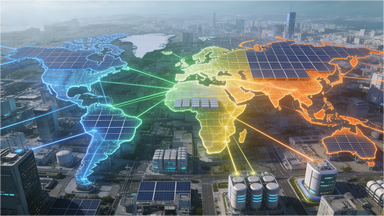
From the sun-baked deserts of Australia to the bustling cities of India, from the remote villages of Kenya to the wind-swept plains of Denmark—solar energy has evolved from a niche technology to a cornerstone of the global energy transition. In the "solar energy world," sunlight is no longer just a source of warmth; it’s a universal, clean, and increasingly affordable power solution that’s reshaping how nations generate electricity, fight climate change, and empower communities. Let’s take a journey across the solar-powered globe to explore its current state, regional dynamics, and the future that awaits.

First: What Is Solar Energy, and How Does It Work?
Before diving into the global landscape, let’s start with the basics. Solar energy is radiation from the sun converted into usable electricity or heat. There are two primary ways we harness it:
1. Photovoltaic (PV) Solar
- How it works: PV panels (the most common type) use semiconductor materials (usually silicon) to convert sunlight directly into electricity. When sunlight hits the panels, it knocks electrons loose from atoms, creating an electric current.
- Key advantage: Scalable—from small rooftop panels on homes to massive "solar farms" spanning thousands of acres.
- Global use case: 90% of global solar installations are PV systems, powering everything from smartphones (via portable chargers) to entire cities.
2. Concentrated Solar Power (CSP)
- How it works: Uses mirrors or lenses to focus sunlight onto a small area, heating a fluid (like molten salt) to generate steam, which drives turbines for electricity. Unlike PV, CSP can store energy for nighttime use.
- Key advantage: Reliable baseload power (even when the sun isn’t shining).
- Global use case: Large-scale CSP plants in sunny regions like Spain (the 2.3 GW Noor Complex) and the UAE (the 1.17 GW Mohammed bin Rashid Al Maktoum Solar Park).
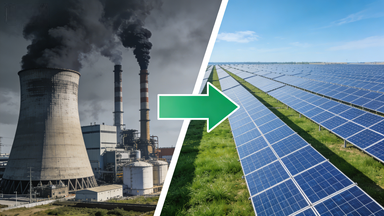
Both technologies are zero-emission, renewable, and fueled by an infinite resource—making them critical to the world’s fight against climate change.

The Global Solar Surge: By the Numbers
The solar energy world is growing at an unprecedented pace. Here’s how the numbers tell the story (data from the International Energy Agency (IEA) and International Renewable Energy Agency (IRENA)):
- Global Installed Capacity: Surpassed 1.1 TW (terawatts) in 2023—enough to power over 1.5 billion homes. That’s a 10x increase since 2015!
- Largest Markets: China leads with 390 GW (35% of global capacity), followed by the EU (180 GW), the U.S. (150 GW), and India (80 GW).
- Growth Projection: By 2030, global solar capacity is expected to hit 5 TW—accounting for 30% of the world’s electricity.
What’s driving this boom? Plummeting costs (solar PV panels are 85% cheaper than in 2010), government incentives (like tax credits in the U.S. and feed-in tariffs in Europe), and growing demand for clean energy.
Regional Spotlight: How the Solar Energy World Varies by Continent
Solar energy isn’t a one-size-fits-all solution—different regions adapt it to their unique needs, resources, and challenges. Let’s explore key players in the global solar ecosystem:
1. Asia: The Solar Manufacturing & Installation Giant
- China: The "workshop of the solar world"—produces 80% of global PV panels and has the largest solar farms (e.g., the 2.2 GW Tengger Desert Solar Park, which spans 1,200 square kilometers). China’s goal: 1,200 GW of solar by 2030.
- India: Fastest-growing major market, with a focus on rooftop solar (for cities like Delhi) and utility-scale projects (e.g., the 750 MW Rewa Solar Park). India aims to reach 500 GW of renewable energy (40% solar) by 2030.
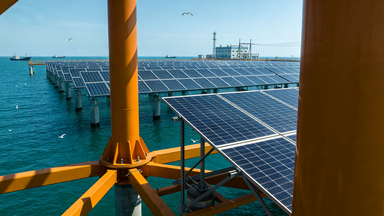
- Japan: A leader in residential solar—over 20% of homes have rooftop panels, despite limited land. Japan also invests in floating solar (panels on water bodies).
-
2. North America: Rooftop Solar & Policy-Driven Growth
- U.S.: The second-largest solar market, with a mix of utility-scale farms (California’s 550 MW Desert Sunlight) and rooftop installations (over 4 million homes have solar). The Inflation Reduction Act (2022) provides tax credits for solar, driving a surge in commercial and residential adoption.
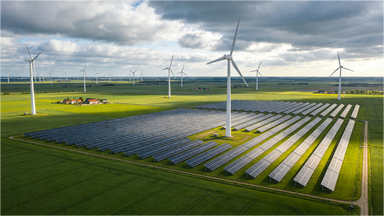
- Canada: Focuses on solar in sunnier provinces like Ontario and Alberta, often paired with wind energy. Remote Indigenous communities use solar to replace diesel generators (e.g., the 1.4 MW Rankin Inlet Solar Project in Nunavut).
3. Europe: Community Solar & Grid Integration
- EU: Leads in "community solar"—citizens co-own solar farms (e.g., Germany’s Bürgerwerke, where 10,000+ people invest in local solar projects). Germany, Spain, and France are top installers, with the EU targeting 740 GW of solar by 2030 (to reach carbon neutrality by 2050).
- Norway & Sweden: Even in high-latitude regions (less sunlight), solar is growing—thanks to efficient panels and net-metering policies (residents sell excess power back to the grid).
4. Africa: Solar as a Lifeline for Off-Grid Communities
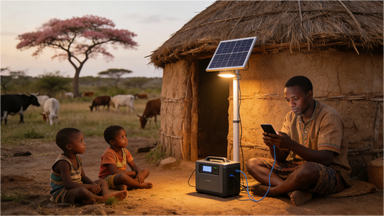
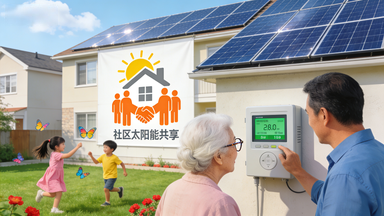
- The "Solar Continent": 600 million Africans lack access to electricity—but solar is changing that. Off-grid solar kits (e.g., M-KOPA Solar in Kenya) power homes, schools, and clinics in remote areas.
- Utility-Scale Projects: South Africa’s 1.05 GW Jasper Solar Farm (the largest in Africa) and Morocco’s 580 MW Noor Ouarzazate Complex (combining PV and CSP) are boosting grid access.
5. Australia: Desert Solar & Storage Innovation
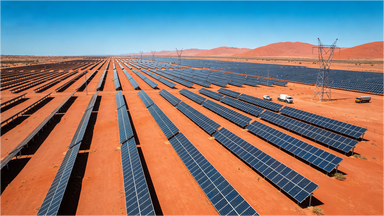
- Sunniest Continent: Australia has the highest solar irradiance (sunlight intensity) in the world. The 300 MW Darlington Point Solar Farm and 220 MW Hornsdale Solar Farm (paired with the world’s largest lithium-ion battery) are examples of its leadership.
- Residential Solar: Over 30% of Australian homes have rooftop solar—one of the highest rates globally.
-
Tech Innovations Reshaping the Solar Energy World
The solar energy world is evolving fast, thanks to breakthroughs that make solar more efficient, affordable, and flexible:
1. More Efficient Panels
- PERC (Passivated Emitter and Rear Cell) Panels: The current standard, with efficiency rates of 22–24% (up from 15% a decade ago).
- Calcium Titanium Oxide (Perovskite) Panels: Next-gen technology that’s cheaper to produce and can reach 30%+ efficiency. Companies like Oxford PV are scaling perovskite-silicon tandem panels.
2. Energy Storage: Solving Solar’s "Intermittency" Problem
- Solar only generates power when the sun shines—so storage is key to a 24/7 solar world. Lithium-ion batteries (e.g., Tesla Powerwall) and flow batteries store excess energy for nights or cloudy days.
- Example: The 1.2 GW/2.4 GWh Moss Landing Energy Storage Facility in California pairs solar with batteries to power 300,000 homes.
3. Floating Solar (Floatovoltaics)
- Panels installed on lakes, reservoirs, or oceans—ideal for countries with limited land (e.g., Japan, Singapore). The 400 MW Dezhou Floating Solar Farm in China is the world’s largest.
4. Solar-to-Green Hydrogen
- New tech converts solar energy into hydrogen (via electrolysis), which can power trucks, ships, or factories. Australia’s Sun Cable project (the world’s largest solar-hydrogen plant) will export green hydrogen to Singapore.
Challenges Facing the Solar Energy World
Despite its growth, the solar energy world faces hurdles that need global cooperation to overcome:
1. Intermittency & Grid Integration
- Solar power fluctuates with sunlight—grids (especially old ones in developing countries) struggle to handle sudden surges or drops in electricity. Solutions: Smart grids, energy storage, and combining solar with wind/hydro.
2. Raw Material Supply Chains
- Solar panels rely on materials like silicon, silver, and indium. Supply shortages (e.g., silver prices spiking) could slow growth. Fixes: Recycling old panels (recovering 95% of materials) and developing alternative materials.
3. Policy Uncertainty
- Some countries (e.g., the U.K.) have cut solar subsidies, slowing growth. Stable policies (like long-term tax credits or renewable mandates) are critical to attract investment.
4. Equity Gaps
- In developing countries, upfront costs (e.g., $5,000 for a home solar system) are prohibitive. Solutions: Community solar projects, microfinance loans, and international aid (e.g., the UN’s Sustainable Energy for All initiative).
-
The Future of the Solar Energy World: What’s Next?
By 2050, solar is projected to be the world’s largest energy source—here’s what the future holds:
- 100% Renewable Grids: Countries like Denmark, Costa Rica, and Uruguay already run on 90%+ renewables—solar will be the backbone of global 100% renewable grids.
- Solar for Everything: Solar-powered electric vehicles (EVs with rooftop panels), solar desalination (turning seawater into drinking water for drought-prone regions), and solar-powered smart cities (e.g., Masdar City in the UAE).
- Global Collaboration: International projects like the African Continental Free Trade Area (AfCFTA) will boost solar trade, while agreements like the Paris Accord drive nations to set ambitious solar targets.
- Affordability for All: By 2030, solar will be cheaper than fossil fuels in every country—making clean energy accessible to even the poorest communities.
Join the Solar Energy World Revolution
The solar energy world isn’t just for governments or corporations—it’s for you. Here’s how to participate:
- Install rooftop solar (or join a community solar project) if you can.
- Choose solar-powered devices (e.g., portable chargers, outdoor lights).
- Advocate for pro-solar policies in your country (e.g., tax credits, net-metering).
- Recycle old solar panels (check local recycling programs).
Final Thoughts
The solar energy world is a story of global cooperation, innovation, and hope. From a farmer in Kenya powering her home with a small solar kit to a utility in China building a gigawatt-scale solar farm, sunlight is uniting the world around a common goal: a clean, sustainable future.
What’s your experience with solar energy? Have you installed rooftop panels, or seen solar projects in your community? Drop a comment below—I’d love to hear from you!
home solar energy
solar energy cost
Related Article
In an era where climate change urgency and energy security concerns dominate global conversations, the shift to renewable energy has moved from a "nice-to-have" to a necessity.
green mountain energy
As the global community grapples with climate change, energy security, and rising fossil fuel costs, solar energy has emerged as a beacon of hope in the transition to a cleaner, more sustainable energy system.
pros of solar energy