solar lithium ion battery
2025-12-25

Solar Lithium-Ion Battery: The Ultimate Energy Storage Solution for Solar Power Systems
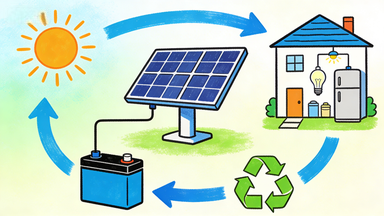
As the world shifts toward renewable energy to combat climate change and reduce reliance on fossil fuels, solar power has emerged as a leading clean energy source. However, one of the biggest challenges with solar energy is its intermittency—sunlight is only available during the day, and its intensity varies with weather and seasons. This is where solar lithium-ion batteries come into play: they store excess solar energy generated during peak hours for use when the sun isn’t shining, bridging the gap between energy production and consumption. In this blog, we’ll explore everything you need to know about solar lithium-ion batteries, from their key benefits and applications to how to choose the right one and maintain it for long-term performance.
Why Solar Lithium-Ion Batteries Are the Top Choice for Solar Storage
When it comes to storing solar energy, there are several battery technologies available, including lead-acid, flow batteries, and sodium-ion batteries. But lithium-ion batteries have become the dominant choice for residential, commercial, and even utility-scale solar storage systems—and for good reason. Their unique characteristics make them perfectly suited to pair with solar panels. Let’s break down their core advantages:
1. High Energy Density
Energy density refers to the amount of energy a battery can store per unit of weight or volume. Solar lithium-ion batteries boast significantly higher energy density than traditional lead-acid batteries—up to 2-3 times more. This means they can store more solar energy in a smaller, lighter package, which is a game-changer for residential settings where space is limited. For example, a 10kWh lithium-ion battery might take up only a few square feet of space in a garage or utility room, whereas a lead-acid battery of the same capacity would be much bulkier and heavier, making installation and placement more challenging.
2. Long Cycle Life
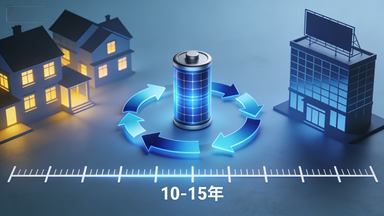
Cycle life is the number of charge-discharge cycles a battery can undergo before its capacity drops to 80% of its original value (a common benchmark for battery end-of-life). Solar lithium-ion batteries typically offer 1,000-6,000 charge-discharge cycles, depending on the quality of the cells and usage patterns. In contrast, lead-acid batteries only last 300-500 cycles. For solar systems, which charge and discharge daily, this long cycle life translates to a lifespan of 10-15 years (or more with proper maintenance), meaning fewer replacements and lower long-term costs. This is crucial for homeowners and businesses looking to maximize the return on their solar investment.
3. Low Self-Discharge Rate
Self-discharge is the rate at which a battery loses its charge when not in use. Solar lithium-ion batteries have an extremely low self-discharge rate—only 1-2% per month—compared to 5-10% per month for lead-acid batteries. This is especially important for solar storage, as excess energy stored during sunny periods may need to be held for days or even weeks (e.g., during a stretch of cloudy weather). With a low self-discharge rate, solar lithium-ion batteries ensure that the energy you’ve captured isn’t wasted, providing reliable power when you need it most.
4. Fast Charging Capability
Solar lithium-ion batteries can charge quickly, which allows them to efficiently capture and store the maximum amount of solar energy during peak sunlight hours (typically 10 AM to 4 PM). Many models can charge to 80% capacity in just 1-2 hours, depending on the solar panel output and battery size. This fast charging is a stark contrast to lead-acid batteries, which charge more slowly and are at risk of damage if charged too quickly. For solar systems, this means less energy is left unused during peak production, maximizing the efficiency of your solar setup.
5. Deep Discharge Tolerance
Deep discharge—using a large percentage of the battery’s capacity before recharging—can significantly shorten the lifespan of some battery technologies. However, solar lithium-ion batteries can tolerate deep discharges (up to 80-90% of their capacity) without permanent damage, whereas lead-acid batteries should only be discharged to 50% to avoid premature failure. This deep discharge capability means you can use more of the stored solar energy, reducing your reliance on the grid and maximizing your energy savings.
Common Applications of Solar Lithium-Ion Batteries
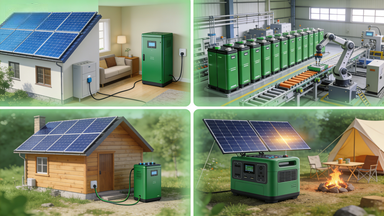
Solar lithium-ion batteries are versatile and can be used in a wide range of settings, from small residential systems to large-scale commercial and industrial installations. Here are the most common applications:
-
Residential Solar Storage: For homeowners with rooftop solar panels, a lithium-ion battery storage system allows them to store excess energy generated during the day for use at night (when solar panels aren’t producing power) or during power outages. This reduces reliance on the grid, lowers electricity bills, and provides energy security. Many residential systems are “grid-tied with storage,” meaning they can switch between grid power and stored solar energy seamlessly. Some advanced systems even allow homeowners to sell excess stored energy back to the grid through net metering programs.
-
Commercial and Industrial (C&I) Solar Storage: Businesses, factories, and warehouses with large solar installations benefit greatly from solar lithium-ion batteries. These systems help C&I users manage peak demand charges (fees for using electricity during high-demand periods), reduce energy costs, and ensure uninterrupted power for critical operations. For example, a manufacturing plant can use stored solar energy during peak hours to avoid high utility rates, or a grocery store can rely on battery backup to keep refrigeration systems running during a blackout.
-
Off-Grid Solar Systems: In remote areas where access to the grid is limited or non-existent (e.g., rural homes, cabins, off-grid farms, or remote telecommunications towers), solar lithium-ion batteries are essential. These off-grid systems rely entirely on solar energy captured during the day and stored in batteries for use at night. The high energy density and long cycle life of lithium-ion batteries make them ideal for these applications, as they can provide reliable power without the need for frequent battery replacements.
-
Utility-Scale Solar Storage: Utility companies are increasingly integrating large-scale solar lithium-ion battery storage into their grids to manage the intermittency of solar power. These systems can store massive amounts of solar energy (hundreds of megawatt-hours) and release it during periods of high demand or when solar production is low. This helps stabilize the grid, reduce the need for fossil fuel-fired peaker plants, and accelerate the transition to renewable energy.
-
Portable Solar Power Systems: For outdoor enthusiasts, campers, hikers, or emergency responders, portable solar panels paired with small lithium-ion batteries provide a convenient, clean power source. These portable systems are lightweight and compact, making them easy to transport. They can charge phones, laptops, lights, and other small devices, making them perfect for camping trips, outdoor work, or emergency situations (e.g., after a natural disaster).
Key Factors to Consider When Choosing a Solar Lithium-Ion Battery
Choosing the right solar lithium-ion battery for your needs requires careful consideration of several key factors. Here’s what to look for:
-
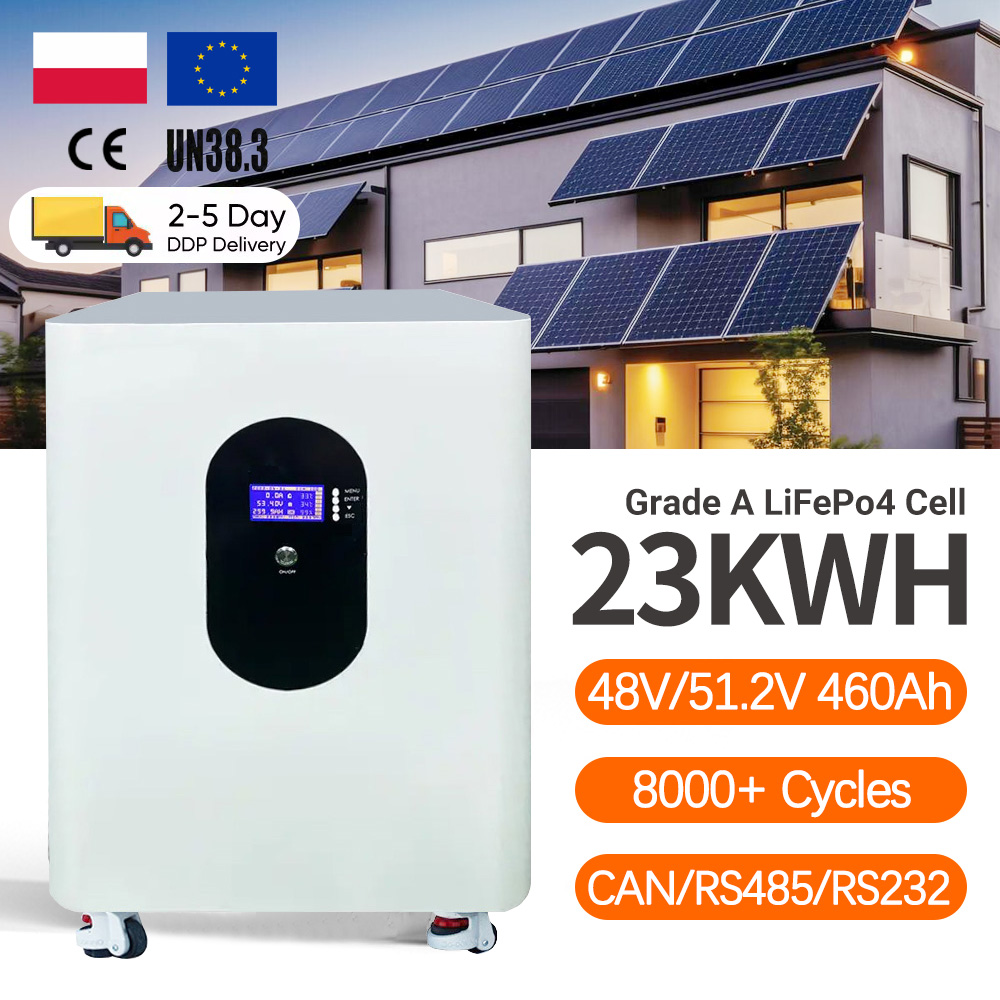
Capacity (kWh Rating): Capacity, measured in kilowatt-hours (kWh), tells you how much energy the battery can store. For residential use, capacities typically range from 5kWh to 20kWh, while commercial and utility-scale batteries can be 100kWh or more. To determine the right capacity, calculate your average daily energy consumption and consider how much of that you want to power with stored solar energy. For example, if you use 15kWh of electricity per day and want to be 100% off-grid, you’ll need a battery with a capacity of at least 15kWh (plus a buffer for cloudy days).
-
Cell Type: The type of lithium-ion cell used in the battery affects performance, safety, and lifespan. The most common cell types for solar storage are Lithium Iron Phosphate (LiFePO4 or LFP) and Nickel Manganese Cobalt (NMC). LiFePO4 cells are known for their exceptional safety (low risk of thermal runaway), long cycle life (up to 6,000 cycles), and stability, making them ideal for residential and commercial applications. NMC cells have higher energy density but a shorter cycle life and lower thermal stability. For most solar storage users, LiFePO4 is the preferred choice.
-
Power Rating (kW): Power rating, measured in kilowatts (kW), indicates how much power the battery can deliver at once. This is important if you have high-power devices (e.g., air conditioners, electric stoves) or need to power multiple devices simultaneously. A battery with a higher power rating can handle more concurrent loads. For example, a 5kW battery can power a 3kW air conditioner and a 1.5kW refrigerator at the same time, while a 3kW battery might struggle.
-
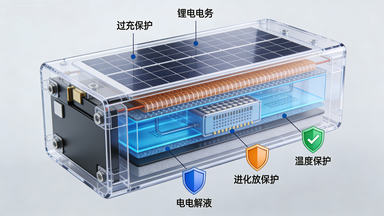
Safety Features: Safety is paramount when it comes to lithium-ion batteries. Look for batteries with built-in protection mechanisms, including overcharge protection (prevents damage from overcharging), over-discharge protection (stops the battery from draining too low), short-circuit protection (prevents fires or explosions from short circuits), temperature protection (shuts down the battery if it gets too hot or cold), and voltage balancing (ensures all cells charge and discharge evenly, extending lifespan).
-
Compatibility with Solar Inverters: Solar lithium-ion batteries need to be compatible with your solar inverter (the device that converts DC power from solar panels to AC power for your home or business). Some batteries are designed to work with specific inverters, while others are “inverter-agnostic.” Before purchasing, check with the manufacturer to ensure the battery is compatible with your existing or planned inverter. Incompatible systems can lead to inefficiency, damage, or safety risks.
-
Warranty: A strong warranty is a sign of the manufacturer’s confidence in their product. Most solar lithium-ion batteries come with a warranty of 10-15 years, which typically covers defects in materials or workmanship and guarantees a minimum capacity (e.g., 80% of original capacity after 10 years). Be sure to read the warranty terms carefully to understand what’s covered, what’s excluded, and any maintenance requirements to keep the warranty valid.
-
Maintenance Tips to Extend the Lifespan of Your Solar Lithium-Ion Battery
With proper maintenance, solar lithium-ion batteries can last well beyond their warranty period. Here are some key tips to maximize their lifespan:
-
Use a Compatible Charger/Inverter: Always use the charger or inverter recommended by the battery manufacturer. Non-certified chargers or inverters may deliver the wrong voltage or current, which can damage the battery cells, reduce capacity, or cause safety issues. Avoid cheap, generic inverters—they’re not worth the risk to your battery or your property.
-
Avoid Extreme Temperatures: Lithium-ion batteries perform best at temperatures between 10°C and 30°C (50°F and 86°F). Extreme heat (e.g., direct sunlight in a hot garage) can degrade the battery cells and shorten lifespan, while extreme cold (e.g., a freezing basement) can reduce performance temporarily. If possible, install the battery in a cool, dry, well-ventilated area. Some batteries come with built-in thermal management systems to mitigate temperature issues—this is a worth considering if you live in a climate with extreme temperatures.
-
Don’t Overcharge or Over-Discharge: While most solar lithium-ion batteries have protection circuits to prevent overcharging and over-discharging, it’s still good practice to avoid these scenarios. For grid-tied systems, the inverter will typically manage charging and discharging, but for off-grid systems, monitor the battery level and recharge before it drops below 20-30% capacity. Avoid leaving the battery fully charged for extended periods (e.g., months of non-use) or fully discharged—both can stress the cells.
-
Store Properly During Extended Non-Use: If you’re not using the battery for an extended period (e.g., a vacation home that’s unoccupied for months), store it at 40-60% capacity in a cool, dry place. This is the optimal charge level for long-term storage, as it reduces cell stress. Check the battery level every few months and recharge if necessary to maintain this range.
-
Keep the Battery Clean and Dry: Regularly inspect the battery for dirt, dust, or moisture. Wipe the exterior with a dry, soft cloth to remove dirt—moisture can cause corrosion or short circuits. Avoid spraying water or using harsh chemicals on the battery. If you notice any damage (e.g., cracks, leaks, or bulging), stop using the battery immediately and contact the manufacturer.
Is a Solar Lithium-Ion Battery Worth the Investment?
One of the most common questions about solar lithium-ion batteries is whether their higher upfront cost is justified. It’s true that lithium-ion batteries are more expensive than lead-acid batteries—residential systems can cost $5,000-$15,000, depending on capacity. However, when you consider their long lifespan, superior performance, and lower long-term costs, they’re almost always a worthwhile investment—especially for homeowners and businesses looking to maximize their solar energy savings.
For residential users, the key benefits of investing in a solar lithium-ion battery include: reduced electricity bills (by using stored solar energy instead of grid power), energy security (backup power during outages), and potential savings from net metering (selling excess stored energy back to the grid). Over time, these savings can offset the upfront cost of the battery—many homeowners see a return on investment within 5-10 years.
For commercial and industrial users, the financial benefits are even more significant. Peak demand charges can account for a large portion of a business’s electricity bill, and solar lithium-ion batteries can help reduce these charges by providing stored energy during peak hours. Additionally, the long lifespan and low maintenance requirements of lithium-ion batteries mean lower replacement and operational costs compared to lead-acid batteries.
From an environmental perspective, solar lithium-ion batteries are also a smart choice. They allow you to maximize the use of clean, renewable solar energy, reducing your carbon footprint and dependence on fossil fuels. Unlike lead-acid batteries, lithium-ion batteries contain no toxic lead, are more energy-efficient to produce, and are recyclable (though recycling infrastructure is still developing), making them a more sustainable option.
Conclusion
Solar lithium-ion batteries are a game-changing technology that solves the intermittency problem of solar energy, making clean, renewable power available 24/7. Their high energy density, long cycle life, low self-discharge rate, and fast charging capability make them the ideal storage solution for residential, commercial, and utility-scale solar systems. By choosing the right battery for your needs and following proper maintenance practices, you can enjoy reliable, cost-effective solar energy for years to come.
Whether you’re a homeowner looking to reduce your electricity bills and gain energy security, a business aiming to cut operational costs and meet sustainability goals, or someone living off-grid in need of a reliable power source, a solar lithium-ion battery is a smart, long-term investment. As renewable energy adoption continues to grow, solar lithium-ion batteries will play an increasingly critical role in building a more sustainable, resilient energy future.
what are lithium batteries
lithium ion batteries for solar
Related Article
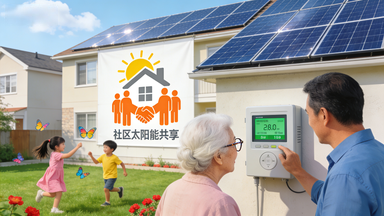
In an era where climate change urgency and energy security concerns dominate global conversations, the shift to renewable energy has moved from a "nice-to-have" to a necessity.
green mountain energy
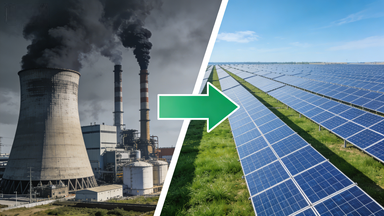
As the global community grapples with climate change, energy security, and rising fossil fuel costs, solar energy has emerged as a beacon of hope in the transition to a cleaner, more sustainable energy system.
pros of solar energy