solar batteries
2025-12-16
Solar Batteries: The Key to Unlocking 24/7 Solar Power for Your Home
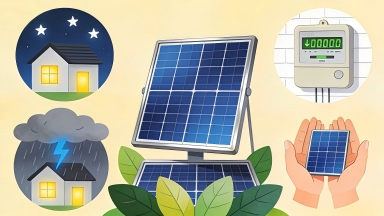
You’ve installed solar panels on your roof—great choice for saving money and cutting carbon emissions! But there’s a catch: Your panels only generate electricity when the sun is shining. What happens when the sun sets, or a storm rolls in? That’s where solar batteries come in. These game-changing devices turn your solar system from a "daytime-only" setup into a 24/7 power solution. But what are solar batteries, how do they work, and are they worth the investment? Let’s answer all your questions.


First: What Is a Solar Battery?
A solar battery (also called a "solar energy storage system") is a rechargeable battery designed specifically to store excess electricity generated by your solar panels. Unlike regular car or phone batteries, solar batteries are built for "deep cycling"—meaning they can be discharged and recharged repeatedly (hundreds or thousands of times) without damaging their performance.
Here’s the key difference from standard batteries: Solar batteries prioritize energy retention and compatibility with solar inverters (the device that converts solar energy from DC to AC power your home uses). They store the electricity your panels produce during peak sunlight hours (usually 10 AM–4 PM) so you can use it later—at night, on cloudy days, or during power outages.
In short: Solar panels generate the power; solar batteries save it for when you need it most.
How Do Solar Batteries Work?
The process is simpler than you might think—let’s break it down into 4 easy steps:
1. Solar Panels Generate Electricity
When sunlight hits your solar panels, they convert sunlight into direct current (DC) electricity. This is the same type of power stored in batteries (but your home uses alternating current, or AC, power).
2. Excess Power Is Sent to the Battery
During the day, if your panels produce more electricity than your home is using (e.g., you’re at work, and appliances are off), the extra DC power flows to the solar battery instead of being wasted. The battery stores this energy until it’s full.
3. Inverter Converts Power for Home Use
When you need electricity (e.g., at night), the solar battery releases the stored DC power. An inverter (either built into the battery or part of your solar system) converts this DC power into AC power—so you can use it to run your lights, fridge, TV, and other devices.
4. Grid Connection (Optional but Common)
Most solar battery systems are "grid-tied," meaning they still connect to your local power grid. Here’s how that helps:
- If your battery is full and your panels are still generating excess power, the extra electricity can be sent to the grid (many utilities pay you for this via "net metering").
- If your battery is empty and your panels aren’t generating (e.g., a long storm), you can draw power from the grid as usual.
For off-grid homes (no grid connection), solar batteries are even more critical—they’re your primary source of stored power, often paired with backup generators for extended cloudy periods.
The Most Common Types of Solar Batteries
Not all solar batteries are created equal. The best choice depends on your budget, energy needs, and how long you want the battery to last. Here are the 3 main types used in residential and commercial solar systems:
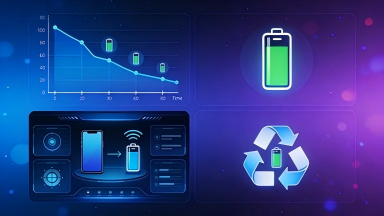
1. Lithium-Ion (Li-Ion) Batteries (Most Popular)
- Subtype to know: Lithium Iron Phosphate (LiFePO4 or LFP) – the gold standard for solar storage.
- Key benefits: High energy density (stores more power in a smaller space), long lifespan (5,000–10,000 charge cycles, or 10–15 years), fast charging, no "memory effect," and excellent safety (resistant to overheating).
- Drawbacks: Higher upfront cost (but prices are dropping fast).
- Best for: Most homes, small businesses, and rooftop solar systems (e.g., Tesla Powerwall, LG Chem RESU, SonnenCore).
-
2. Lead-Acid Batteries (Traditional Option)
- Key benefits: Low upfront cost (the cheapest solar battery type), widely available, and simple technology.
- Drawbacks: Short lifespan (500–1,500 charge cycles, or 3–5 years), heavy (hard to install), requires regular maintenance (to check electrolyte levels), and lower energy density (needs more space).
- Best for: Budget-conscious off-grid setups or temporary solar projects (not recommended for long-term home use).
3. Flow Batteries (Emerging Technology)
- Key benefits: Extremely long lifespan (10,000+ charge cycles, or 20+ years), scalable (you can add more "tanks" to store more power), and safe (non-flammable electrolyte).
- Drawbacks: High upfront cost, large physical size (not ideal for small homes), and less common for residential use.
- Best for: Commercial buildings, large solar farms, or grid-scale energy storage (e.g., vanadium flow batteries).
Why You Need a Solar Battery (5 Unbeatable Benefits)
Solar panels alone are great—but pairing them with a battery takes your solar system to the next level. Here’s why:
1. Use Solar Power Day and Night (No More Wasted Energy)
Without a battery, excess solar power your panels generate during the day is sent to the grid (you might get a small credit, but you’re essentially giving away free energy). With a battery, you store that power and use it at night—so you’re not relying on the grid for evening electricity.
2. Cut Your Electricity Bills Even More
By using stored solar power instead of grid power after dark, you’ll reduce your monthly utility bills significantly. For example: If your home uses 30 kWh of electricity per day, and your panels generate 20 kWh during the day, a solar battery can store that 20 kWh—meaning you only need 10 kWh from the grid (instead of 30 kWh without a battery).
3. Backup Power During Outages
Power outages are stressful—especially if you rely on medical devices, refrigerated food, or home offices. Solar batteries act as a backup generator: When the grid goes down, your battery automatically kicks in to power essential appliances (or your entire home, if you have a large enough battery).
4. Energy Independence (Less Reliance on the Grid)
With a solar battery, you’re less vulnerable to grid price hikes, blackouts, or supply chain issues. You’re generating and storing your own power—giving you greater control over your energy costs and security.
5. Support Renewable Energy (Fight Climate Change)
Solar batteries help solve one of the biggest challenges with renewable energy: intermittency (solar only works when the sun shines, wind only when it blows). By storing solar power, you’re making renewable energy more reliable—reducing the need for fossil fuel-powered plants that emit greenhouse gases.

What to Consider Before Buying a Solar Battery
Ready to invest in a solar battery? Here are 4 key factors to keep in mind:
1. Capacity: How Much Power Do You Need to Store?
Solar battery capacity is measured in kilowatt-hours (kWh). To choose the right size:
- Calculate your daily electricity use (check your utility bill—look for "kWh used per month" and divide by 30).
- Estimate how much solar power your panels generate (your solar installer can help with this).
- Decide how much backup power you want (e.g., do you need to power just essentials, or your entire home?).
Example: If you use 25 kWh/day and your panels generate 18 kWh/day, a 15–20 kWh battery will let you use mostly solar power day and night.
2. Lifespan and Warranties
Look for batteries with a long warranty (10–15 years) and a high number of charge cycles (5,000+). LiFePO4 batteries are the best here—they last 2–3 times longer than lead-acid batteries.
3. Installation and Compatibility
Not all solar batteries work with all solar systems. Make sure your battery is compatible with your solar inverter (some batteries come with built-in inverters, which simplifies installation). Hire a certified solar installer to set it up—improper installation can be unsafe and void warranties.
4. Cost and Incentives
Solar batteries cost \(5,000–\)15,000 (before incentives) for a residential system. But many governments and utilities offer rebates, tax credits, or grants to offset the cost. For example:
- In the U.S., the Federal Solar Tax Credit covers 30% of the cost of solar batteries (if paired with solar panels).
- In the EU, many countries offer feed-in tariffs or storage grants.
Check local incentives in your area—they can slash thousands off the price.
The Future of Solar Batteries: What’s Next?
Solar battery technology is evolving fast—here are 3 trends to watch:
1. Lower Costs
Lithium-ion battery prices have dropped by 89% over the past decade, and they’ll keep falling as production scales up. Experts predict solar batteries will be affordable for most homeowners within the next 5 years.
2. Higher Capacity and Faster Charging
New materials (like silicon anodes) and designs are making solar batteries store more power and charge faster. Soon, a single battery could power an average home for 2–3 days on a single charge.
3. Smart Battery Management
Future solar batteries will be connected to smart home systems, letting you monitor and control your energy use from your phone. They’ll also "talk" to the grid—selling stored power back during peak demand (when electricity prices are highest) to maximize your savings.
4. More Sustainable Materials
Manufacturers are moving away from rare metals (like cobalt) and using recycled materials in solar batteries. This will reduce their environmental footprint and make them more ethical.

Final Thoughts: Solar Batteries Are the Future of Home Energy
Solar panels let you generate clean power—but solar batteries let you use that power whenever you want. They’re the missing piece in the solar puzzle, turning intermittent sunlight into reliable, 24/7 energy for your home. Whether you want to cut bills, gain energy independence, or fight climate change, a solar battery is a smart investment.
Do you have questions? Want to know how to calculate the right battery size for your home, or which brand is best? Drop a comment below—I’m here to help you unlock the full potential of solar power!
batteries & solar
lithium rv battery
Related Article
In an era where climate change urgency and energy security concerns dominate global conversations, the shift to renewable energy has moved from a "nice-to-have" to a necessity.
green mountain energy
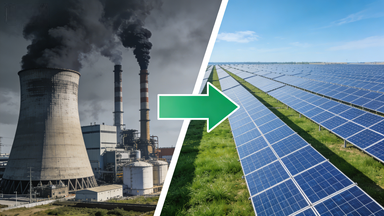
As the global community grapples with climate change, energy security, and rising fossil fuel costs, solar energy has emerged as a beacon of hope in the transition to a cleaner, more sustainable energy system.
pros of solar energy