solid state lithium battery
2025-12-22

Solid State Lithium Batteries: The Future of Rechargeable Power is Here
In the ever-evolving world of energy storage, solid state lithium batteries (SSLBs) have emerged as a game-changing innovation, promising to address the key limitations of traditional lithium-ion batteries. As industries and consumers increasingly demand safer, more efficient, and longer-lasting power sources—from electric vehicles (EVs) to portable electronics and renewable energy storage—SSLBs are stepping into the spotlight as the next generation of rechargeable batteries. Unlike conventional lithium-ion batteries that use liquid or gel electrolytes, solid state lithium batteries employ solid electrolytes, a design shift that unlocks a host of advantages. This blog explores everything you need to know about solid state lithium batteries, including their core benefits, how they differ from traditional batteries, current and emerging applications, and what the future holds for this transformative technology.
What Sets Solid State Lithium Batteries Apart?
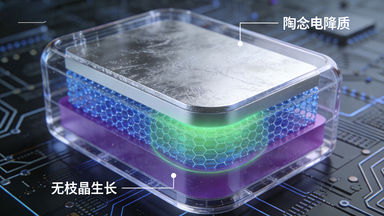
The defining feature of solid state lithium batteries is their use of a solid electrolyte instead of the liquid electrolyte found in standard lithium-ion batteries. This seemingly simple design change has a profound impact on performance, safety, and durability. Let’s break down the key characteristics that make SSLBs stand out from their liquid-based counterparts.
Unmatched Safety
Safety is one of the most significant advantages of solid state lithium batteries. Traditional lithium-ion batteries are prone to “thermal runaway”—a dangerous chain reaction that can occur when the liquid electrolyte overheats, leading to fires or explosions. This risk is heightened in high-demand applications like EVs or large-scale energy storage systems. Solid electrolytes, however, are non-flammable and thermally stable, eliminating the risk of leakage and thermal runaway. Even under extreme conditions such as high temperatures, physical damage, or overcharging, SSLBs remain stable, making them a far safer choice for both consumer and industrial use.
Higher Energy Density
Energy density—the amount of energy a battery can store per unit of volume or weight—is a critical metric for portable and automotive applications. Solid state lithium batteries boast significantly higher energy density than traditional lithium-ion batteries. By replacing the liquid electrolyte with a compact solid material, SSLBs can fit more active material (the components that store and release energy) into the same space. This translates to longer runtime for portable devices and extended driving ranges for EVs. For example, a solid state lithium battery in an EV could potentially deliver a range of 800-1000 km on a single charge, compared to the 400-600 km range of most lithium-ion EV batteries today. Additionally, the higher energy density allows for smaller, lighter batteries, which is a major benefit for wearable tech, drones, and other devices where size and weight are constraints.
Longer Lifespan
Solid state lithium batteries also offer a longer cycle life—meaning they can be charged and discharged many more times before their capacity degrades. Traditional lithium-ion batteries typically last 500-1000 charge-discharge cycles before their capacity drops to 80% of their original value. In contrast, SSLBs can potentially endure 2000+ cycles, and some advanced prototypes have shown even higher durability. This is because solid electrolytes are less prone to degradation over time and do not form “dendrites”—tiny lithium metal filaments that grow in liquid electrolytes, causing short circuits and reducing battery life. A longer lifespan means fewer battery replacements, lowering long-term costs and reducing environmental waste.
Faster Charging and Wider Temperature Tolerance
Solid state lithium batteries can charge much faster than traditional lithium-ion batteries. The solid electrolyte enables faster ion transfer, allowing SSLBs to absorb energy more quickly. Some prototypes can charge to 80% capacity in as little as 10-15 minutes, a significant improvement over the 30-60 minutes required for high-performance lithium-ion batteries. Additionally, SSLBs perform well across a wider temperature range. Unlike liquid electrolytes, which can freeze in cold weather or become less efficient in extreme heat, solid electrolytes maintain their conductivity in temperatures ranging from -40°C to 150°C. This makes SSLBs ideal for applications in harsh environments, such as electric vehicles in cold climates or industrial equipment in high-temperature settings.
Current and Emerging Applications of Solid State Lithium Batteries
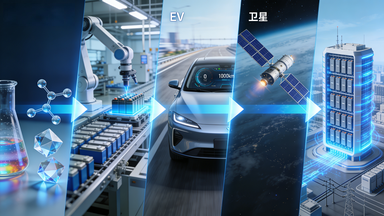
While solid state lithium battery technology is still in the process of commercialization, it has already begun to make inroads in several key sectors. As manufacturing processes improve and costs decrease, SSLBs are poised to revolutionize even more industries. Here are some of the most promising applications:
-
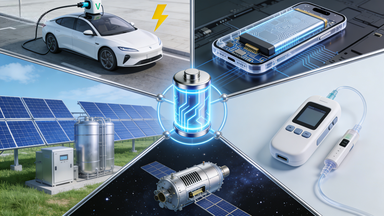
Electric Vehicles (EVs): The automotive industry is one of the biggest drivers of solid state lithium battery development. Major automakers like Toyota, Nissan, and Volkswagen are investing heavily in SSLB technology, with plans to launch EVs equipped with solid state batteries by the mid-2020s. SSLBs address two of the biggest barriers to EV adoption: range anxiety and safety concerns. With longer ranges, faster charging, and enhanced safety, SSLB-powered EVs could make electric vehicles more appealing to mainstream consumers.
-
Portable Electronics: Smartphones, laptops, tablets, and wearable devices can all benefit from solid state lithium batteries. The higher energy density would allow for thinner, lighter devices with longer battery life—something consumers have long demanded. Additionally, the improved safety would reduce the risk of battery-related fires in portable electronics, a growing concern with the increasing use of high-capacity batteries.
-
Renewable Energy Storage: As the world shifts to renewable energy sources like solar and wind, the need for reliable energy storage systems is critical. Solid state lithium batteries are well-suited for this application due to their long lifespan, high energy density, and safety. They can store excess energy generated by renewable sources during peak production and release it during periods of low production, helping to stabilize the power grid and reduce reliance on fossil fuels.
-
Medical Devices: Medical devices such as pacemakers, insulin pumps, and portable diagnostic equipment require small, reliable, and safe batteries. Solid state lithium batteries offer the perfect combination of compact size, long runtime, and enhanced safety, making them an ideal power source for these life-saving devices. The wider temperature tolerance also ensures that medical devices using SSLBs can operate effectively in various clinical settings.
-
Aerospace and Defense: The aerospace and defense industries demand batteries that can perform in extreme conditions. Solid state lithium batteries’ ability to operate in wide temperature ranges, their high energy density, and their safety make them suitable for applications like drones, satellites, and military equipment. SSLBs can power drones for longer missions and provide reliable energy for satellite systems in the harsh environment of space.
Factors to Consider When Choosing a Solid State Lithium Battery
As solid state lithium batteries become more widely available, it’s important to know what to look for when selecting a battery for your needs. Here are some key factors to consider:
-
Technology Maturity: Not all solid state lithium batteries are the same. Some use ceramic electrolytes, while others use polymer or glass electrolytes. Each type has its own advantages and limitations. When choosing an SSLB, look for batteries based on mature, well-tested electrolyte technologies to ensure reliability.
-
Capacity and Power Rating: Like all batteries, solid state lithium batteries are rated by capacity (in ampere-hours, Ah) and power (in watts, W). The capacity determines how long the battery can power a device, while the power rating determines how much current it can deliver. Choose a battery with a capacity and power rating that match your application’s needs.
-
Compatibility: Ensure that the solid state lithium battery is compatible with your device. Check the voltage, connector type, and physical dimensions to make sure the battery fits and works with your equipment. Using an incompatible battery can damage your device or the battery itself.
-
Manufacturer Reputation: Choose a battery from a reputable manufacturer with a track record of producing high-quality energy storage products. Look for manufacturers that invest in research and development and have certifications for safety and performance (such as UL, CE, or IEC certifications).
-
Warranty: A good warranty is a sign of the manufacturer’s confidence in their product. Look for solid state lithium batteries with a warranty of at least 1-3 years, which covers defects in materials and workmanship. Be sure to read the warranty terms carefully to understand what is covered.
Maintenance Tips for Solid State Lithium Batteries
While solid state lithium batteries require less maintenance than traditional lithium-ion batteries, proper care can help maximize their lifespan and performance. Here are some maintenance tips:
-
Use a Compatible Charger: Always charge your solid state lithium battery with a charger that is specifically designed for SSLBs or approved by the manufacturer. Using a non-compatible charger can damage the battery’s cells and reduce its lifespan.
-
Avoid Extreme Temperatures: While SSLBs perform well in a wide temperature range, prolonged exposure to extreme heat or cold can still degrade the battery over time. Store and use the battery in temperatures between -20°C and 60°C whenever possible.
-
Store Properly When Not in Use: If you won’t be using the battery for an extended period, store it in a cool, dry place with a charge level of 40-60%. This helps prevent over-discharge and reduces stress on the battery cells.
-
Keep Terminals Clean: Regularly inspect the battery’s terminals (metal contacts) and clean them if they become dirty or corroded. Corrosion can interfere with the battery’s connection to your device, causing poor performance. Use a dry, soft cloth to wipe away dirt and debris—avoid using water or harsh chemicals.
-
Avoid Physical Damage: While SSLBs are more durable than traditional lithium-ion batteries, they can still be damaged by drops, impacts, or punctures. Handle the battery with care and avoid exposing it to physical stress.
The Future of Solid State Lithium Batteries: What to Expect
The future of solid state lithium batteries looks bright. As research and development continue, we can expect to see several key advancements: lower costs, improved performance, and wider commercialization. Currently, SSLBs are more expensive to produce than traditional lithium-ion batteries due to the high cost of solid electrolyte materials and complex manufacturing processes. However, as production scales up and new manufacturing techniques are developed, costs are expected to drop significantly—making SSLBs competitive with lithium-ion batteries by the late 2020s.
Additionally, researchers are working to improve the conductivity of solid electrolytes, which will further enhance the charging speed and power output of SSLBs. There is also ongoing research into using lithium metal anodes with solid electrolytes, which could increase energy density even further. These advancements will open up new applications for SSLBs, from large-scale grid storage to electric aircraft.
Another trend to watch is the integration of solid state lithium batteries with renewable energy systems. SSLBs can store more energy from solar and wind sources, making renewable energy more reliable and accessible. This integration will play a key role in the global transition to a low-carbon economy.
Conclusion
Solid state lithium batteries represent a significant leap forward in energy storage technology. With their unmatched safety, higher energy density, longer lifespan, faster charging, and wider temperature tolerance, SSLBs are poised to revolutionize the way we power our vehicles, electronics, and homes. While the technology is still in the early stages of commercialization, major advancements are being made every year, and SSLBs are quickly moving from the lab to the marketplace.
Whether you’re an EV enthusiast, a tech lover, or a business looking to adopt sustainable energy solutions, solid state lithium batteries are worth keeping an eye on. As costs decrease and performance improves, SSLBs will become an increasingly viable and attractive option for a wide range of applications. By understanding the key benefits, applications, and how to choose and maintain SSLBs, you can be prepared to embrace the future of rechargeable power.
lithium battery solar charge controller
lithium ion solar battery
Related Article

In an era where climate change urgency and energy security concerns dominate global conversations, the shift to renewable energy has moved from a "nice-to-have" to a necessity.
green mountain energy

As the global community grapples with climate change, energy security, and rising fossil fuel costs, solar energy has emerged as a beacon of hope in the transition to a cleaner, more sustainable energy system.
pros of solar energy