what are lithium batteries
2025-11-17
What Are Lithium Batteries? A Comprehensive Guide to the Power Source of Modern Life
Walk into any room, and you’re likely surrounded by devices powered by lithium batteries—your smartphone in your pocket, the laptop on your desk, the wireless headphones in your bag, even the electric car parked in your garage. But what exactly are lithium batteries, and why have they become the go-to power source for so many of our daily essentials? Let’s break down their definition, how they work, their types, benefits, and more to demystify the technology that keeps our world running.

First: What Are Lithium Batteries, Exactly?
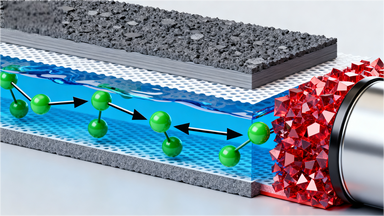
At their core, lithium batteries are a type of rechargeable (or in some cases, non-rechargeable) electrochemical device that stores and releases energy using lithium ions. Unlike older battery technologies (such as nickel-cadmium or alkaline batteries), they rely on the movement of lithium ions between two electrodes—an anode (negative terminal) and a cathode (positive terminal)—through a liquid or solid electrolyte.
The key to their popularity lies in lithium itself: it’s the lightest metal on the periodic table and has an extremely high electrochemical potential, meaning it can store more energy relative to its size and weight. This “energy density” is what makes lithium batteries so powerful yet compact—perfect for the portable tech we use every day.
How Do Lithium Batteries Work?
The science behind lithium batteries is surprisingly straightforward, revolving around a repeated cycle of charging and discharging:
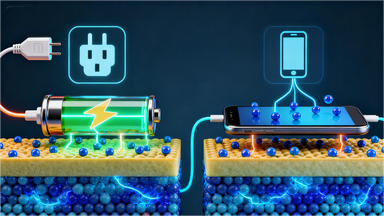
- When Charging: An external power source (like a phone charger or EV charging station) pushes lithium ions from the cathode (typically made of lithium cobalt oxide or lithium iron phosphate) through the electrolyte to the anode (usually graphite). The anode “stores” these ions until the battery is full.
- When Discharging (In Use): As you use your device (e.g., making a call, driving an EV), the lithium ions flow back from the anode to the cathode through the electrolyte. This movement of ions creates an electric current that powers your device.
- Repeating the Cycle: This process can be repeated hundreds (or even thousands) of times before the battery’s ability to store ions degrades—known as “battery life.” Over time, the anode and cathode wear out, leading to shorter battery life and slower charging.
Common Types of Lithium Batteries
Not all lithium batteries are the same—different designs are tailored to specific uses, from tiny wearables to large electric vehicles. Here are the most common types:
1. Lithium-Ion (Li-Ion) Batteries
The most widespread type, found in smartphones, laptops, tablets, and power banks. They’re lightweight, have high energy density, and don’t suffer from “memory effect” (a problem with older batteries where partial charging reduces overall capacity). However, they can overheat if damaged or overcharged, so they require built-in safety features (like voltage regulators).
2. Lithium-Ion Polymer (Li-Po) Batteries
A variation of Li-Ion batteries, but with a flexible, polymer-based electrolyte instead of a liquid. This allows them to be made into thin, custom shapes—ideal for slim devices like smartphones, wireless earbuds, and smartwatches. They’re slightly less energy-dense than traditional Li-Ion batteries but offer more design flexibility.
3. Lithium Iron Phosphate (LiFePO4 or LFP) Batteries
Known for their durability and safety. LFP batteries use iron phosphate as the cathode, making them more resistant to overheating, fires, and degradation. They also have a longer lifespan (up to 10,000 charge cycles) compared to other lithium batteries. You’ll find them in electric vehicles (EVs like Tesla’s Model 3), solar energy storage systems, and power tools—applications where safety and longevity are critical.
4. Primary (Non-Rechargeable) Lithium Batteries
Unlike the above types, these are single-use batteries. They’re used in devices that don’t need frequent power replacement, such as smoke detectors, remote controls, medical devices (like glucose monitors), and digital cameras. They have a long shelf life and perform well in extreme temperatures, but they can’t be recharged and must be disposed of properly.

Why Are Lithium Batteries So Popular?
Their dominance in modern tech isn’t by accident—lithium batteries offer several key advantages over other battery technologies:
- High Energy Density: They store more energy per unit of weight or volume. A small lithium battery can power a smartphone for a full day, while a larger one can drive an EV hundreds of miles—something older batteries (like lead-acid) can’t match.
- Lightweight: Lithium’s low density makes these batteries much lighter than alternatives. This is crucial for portable devices (you don’t want a heavy phone!) and EVs (less weight means better fuel efficiency).
- Longer Lifespan: Rechargeable lithium batteries can last for 300–1,000 charge cycles (or more, for LFP types) before needing replacement—far longer than nickel-cadmium batteries (which typically last 500 cycles max).
- Fast Charging: Many modern lithium batteries support fast charging, allowing you to top up a smartphone in 30 minutes or an EV to 80% capacity in under an hour (with the right charger).
- Low Self-Discharge: They lose very little charge when not in use. A lithium-ion battery might lose only 5–10% of its charge per month, compared to 20–30% for nickel-based batteries.
Where Are Lithium Batteries Used?
Their versatility means lithium batteries power nearly every aspect of modern life. Here are some key applications:
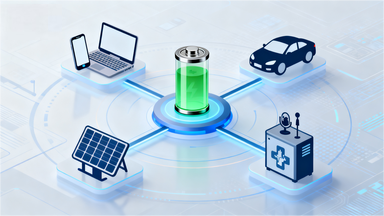
- Consumer Electronics: Smartphones, laptops, tablets, wireless headphones, smartwatches, cameras, and portable gaming consoles.
- Transportation: Electric vehicles (EVs), hybrid electric vehicles (HEVs), e-bikes, e-scooters, and even some airplanes (for auxiliary power).
- Energy Storage: Home solar battery systems (like Tesla Powerwall), grid-scale energy storage (to balance renewable energy sources like wind and solar), and backup power for businesses.
- Medical Devices: Pacemakers, insulin pumps, portable oxygen concentrators, and diagnostic tools (where reliability and small size are critical).
-
Important Considerations: Safety and Sustainability
While lithium batteries are incredibly useful, they do come with important caveats:
Safety
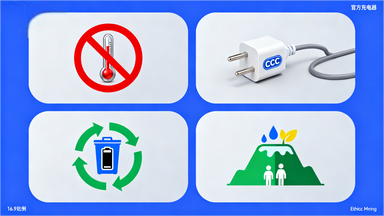
- Overheating Risks: Damaged, overcharged, or low-quality lithium batteries can overheat, catch fire, or explode. Always use official chargers, avoid exposing batteries to extreme temperatures (e.g., leaving a phone in a hot car), and replace swollen or damaged batteries immediately.
- Regulations: Many airlines and shipping companies have rules for carrying lithium batteries (e.g., limiting the number of spare batteries in carry-on luggage) to reduce fire risks.
Sustainability
- Raw Material Sourcing: Lithium, cobalt, and nickel (key ingredients in lithium batteries) are often mined in ways that harm the environment and human rights. However, the industry is shifting toward more ethical sourcing (e.g., lithium from brine lakes instead of open-pit mines) and recycling.
- Recycling: Only a small percentage of lithium batteries are recycled today, but new technologies are making it easier to recover valuable materials (like lithium and cobalt) for reuse. Always recycle old batteries at designated drop-off points (not in regular trash) to reduce waste and pollution.
-
Final Thoughts
Lithium batteries are more than just a power source—they’re the backbone of the digital age and the transition to a more sustainable future (thanks to EVs and renewable energy storage). By understanding what they are, how they work, and how to use them safely, you can make the most of the devices they power while contributing to a greener world.
Do you have questions about lithium batteries—like how to extend your phone’s battery life or what to look for in an EV battery? Drop a comment below—I’d love to help!
lithium iron phosphate battery
lithium battery and
Related Article

In an era where climate change urgency and energy security concerns dominate global conversations, the shift to renewable energy has moved from a "nice-to-have" to a necessity.
green mountain energy

As the global community grapples with climate change, energy security, and rising fossil fuel costs, solar energy has emerged as a beacon of hope in the transition to a cleaner, more sustainable energy system.
pros of solar energy