what are lithium batteries
2025-12-25

What Are Lithium Batteries? A Comprehensive Guide
In today’s world, where portability, efficiency, and long-lasting power are paramount, lithium batteries have become an indispensable part of our daily lives. From the smartphone in your pocket and the laptop on your desk to electric vehicles (EVs) on the road and renewable energy storage systems, these batteries power a vast array of devices and technologies. But what exactly are lithium batteries? In this blog, we’ll break down their definition, core working principles, key characteristics, common types, applications, and more, helping you gain a thorough understanding of this revolutionary power source.
What Are Lithium Batteries? Definition & Core Principles
Lithium batteries are a type of rechargeable (secondary) or non-rechargeable (primary) battery that uses lithium as a key component in their electrochemistry. Unlike traditional batteries that rely on heavy metals like lead or nickel, lithium’s unique properties—such as its low atomic weight and high electrochemical potential—make it an ideal material for producing batteries with high energy density and performance.
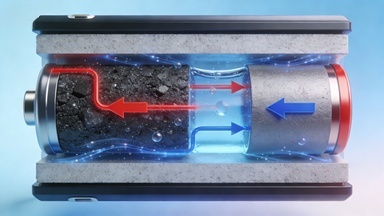
At their core, all lithium batteries operate on the same basic principle: the movement of lithium ions between two electrodes (a cathode and an anode) through an electrolyte during charging and discharging. Here’s a simplified breakdown of the process:
-
Discharging (Powering a Device): When the battery is in use, lithium ions move from the anode (typically made of graphite) through the electrolyte to the cathode (made of lithium-based compounds like lithium cobalt oxide or lithium iron phosphate). This ion movement generates an electric current that flows through an external circuit to power the device.
-
Charging: When connected to a charger, an external electrical current reverses the direction of ion flow. Lithium ions move back from the cathode to the anode, where they are stored until the battery is used again.
It’s important to note that while “lithium battery” is a broad term, the most common type used in consumer and industrial applications today is the lithium-ion (Li-ion) battery—a rechargeable variant that offers superior performance compared to primary lithium batteries (which are single-use and often used in small devices like watches or remote controls).
Key Characteristics That Make Lithium Batteries Stand Out
Lithium batteries have several defining features that set them apart from other battery technologies (such as lead-acid, nickel-cadmium, or nickel-metal hydride batteries). These characteristics are the reason for their widespread adoption:
1. High Energy Density
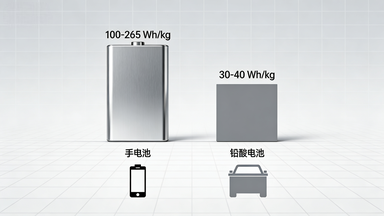
Energy density refers to the amount of energy a battery can store per unit of weight or volume. Lithium batteries have one of the highest energy densities of any rechargeable battery technology—typically 100-265 Wh/kg (watt-hours per kilogram) for Li-ion batteries, compared to just 30-40 Wh/kg for lead-acid batteries. This means they can store more energy in a smaller, lighter package, making them perfect for portable devices like smartphones and laptops, as well as EVs where weight and space are critical.
2. Long Cycle Life
A “cycle” refers to one full charge and discharge of the battery. High-quality lithium-ion batteries can endure 1,000-2,000 charge-discharge cycles (or more) before their capacity drops to 80% of their original value. In contrast, lead-acid batteries typically only last 300-500 cycles. This long lifespan reduces the need for frequent replacements, lowering long-term costs and environmental impact.
3. Low Self-Discharge Rate
Self-discharge is the rate at which a battery loses its charge when not in use. Lithium batteries have an extremely low self-discharge rate—around 1-2% per month, compared to 20-30% per month for nickel-cadmium batteries. This means they can hold their charge for months on end, making them ideal for seasonal devices (like snow blowers or camping gear) or backup power systems.
4. No Memory Effect
The “memory effect” is a phenomenon where some batteries (like nickel-cadmium) lose capacity if they are repeatedly charged before being fully discharged. Lithium batteries are free from this issue, allowing users to charge them at any time—whether they’re fully drained or partially charged—without damaging the battery or reducing its lifespan.
5. Lightweight and Compact
Thanks to their high energy density, lithium batteries are significantly lighter and more compact than other battery types with the same capacity. For example, a lithium-ion battery pack for an EV is much lighter than an equivalent lead-acid pack, which improves the vehicle’s range and efficiency. This compact design also makes them suitable for slim devices like smartphones and tablets.
Common Types of Lithium Batteries
There are several different types of lithium batteries, each designed for specific applications based on their performance characteristics. The most common variants include:
-
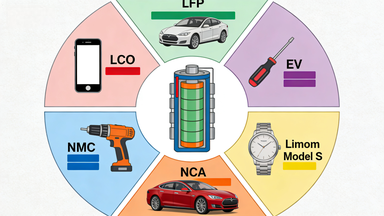
Lithium Cobalt Oxide (LiCoO₂, LCO): This is the most widely used type in consumer electronics (smartphones, laptops, cameras). It offers high energy density but has lower thermal stability and a shorter cycle life compared to other types. It’s not ideal for high-power applications like EVs.
-
Lithium Iron Phosphate (LiFePO₄, LFP): Known for its exceptional safety, long cycle life (up to 3,000+ cycles), and thermal stability. It has a slightly lower energy density than LCO but is ideal for high-power applications like EVs, power tools, and energy storage systems (ESS). Many modern EVs and portable power stations use LFP batteries.
-
Lithium Nickel Manganese Cobalt Oxide (LiNiMnCoO₂, NMC): A balance of energy density, power output, and lifespan. It’s commonly used in EVs (Tesla, BMW), power tools, and high-performance consumer devices. NMC batteries offer a good mix of performance and safety.
-
Lithium Nickel Cobalt Aluminum Oxide (LiNiCoAlO₂, NCA): High energy density and power output, making it suitable for high-performance EVs (e.g., Tesla Model S/X) and aerospace applications. It has a longer cycle life than LCO but requires careful thermal management.
-
Primary Lithium Batteries: Non-rechargeable variants (e.g., lithium metal batteries) used in small devices like watches, calculators, and remote controls. They offer high energy density and a long shelf life but cannot be recharged.
Where Are Lithium Batteries Used? Common Applications
The versatility of lithium batteries makes them suitable for a wide range of applications, from small consumer electronics to large industrial systems. Here are some of the most common uses:
1. Consumer Electronics
This is the largest market for lithium batteries. Smartphones, laptops, tablets, cameras, wireless headphones, portable speakers, and smartwatches all rely on lithium-ion batteries for their compact size, long runtime, and quick charging capabilities.
2. Electric Vehicles (EVs) & E-Mobility
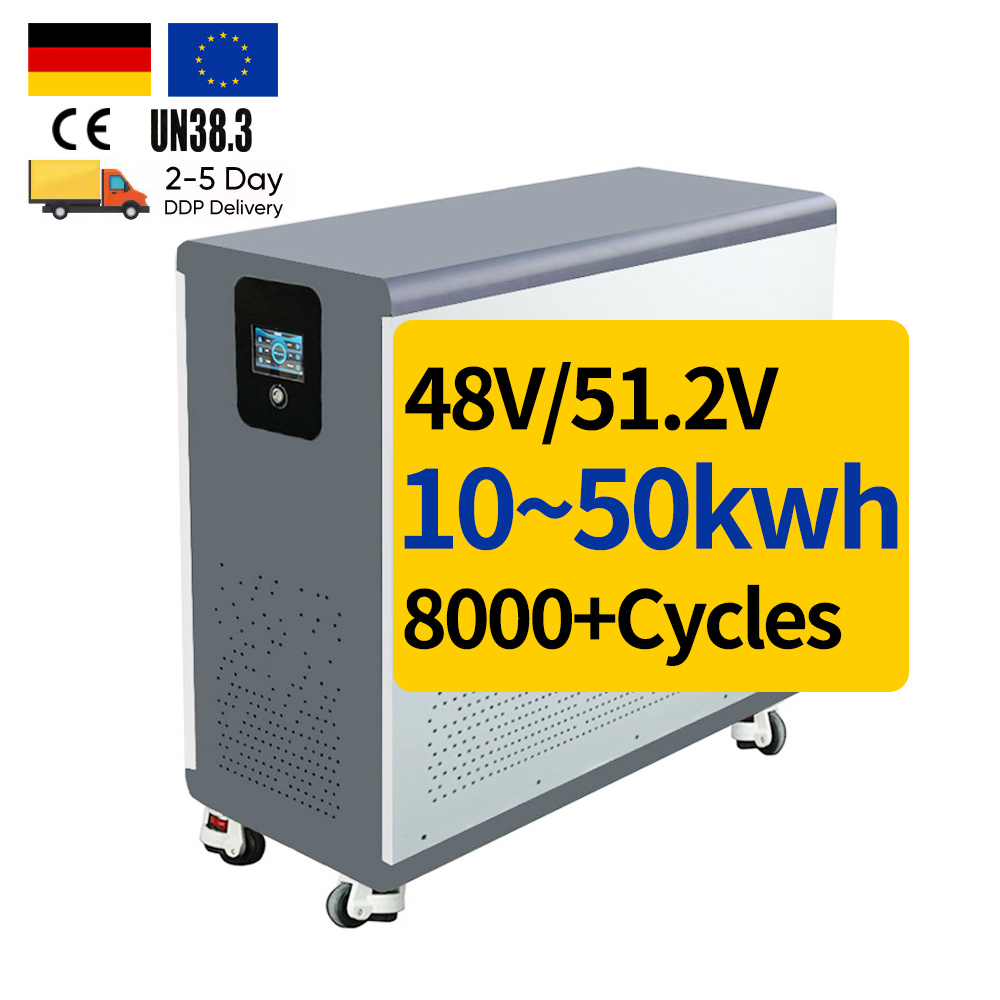
Lithium batteries are the backbone of the EV revolution. Electric cars, e-bikes, e-scooters, and electric wheelchairs use high-capacity lithium-ion battery packs (often 36V, 48V, or higher) to deliver the power and range needed for daily use. Their lightweight design and long cycle life make them ideal for these applications.
3. Renewable Energy Storage
As the world shifts to renewable energy sources like solar and wind (which are intermittent), lithium batteries play a crucial role in energy storage. Home solar storage systems (e.g., Tesla Powerwall), commercial energy storage plants, and off-grid power systems use lithium batteries to store excess energy generated during peak production and release it when needed.
4. Professional Power Tools
Cordless power tools (drills, circular saws, impact wrenches) used in construction, woodworking, and automotive repair rely on lithium batteries for their high power output and long runtime. Unlike traditional corded tools, lithium-powered tools offer greater mobility and flexibility.
5. Aerospace & Defense
Lithium batteries are used in satellites, drones, and military equipment due to their high energy density, lightweight design, and long shelf life. They provide reliable power in extreme environments, making them essential for space missions and military operations.
6. Medical Devices
Portable medical devices like pacemakers, defibrillators, and portable oxygen concentrators use lithium batteries for their long lifespan, low self-discharge rate, and compact size. These devices require reliable power to function properly, and lithium batteries deliver consistent performance.
Tips for Choosing and Maintaining Lithium Batteries
To get the most out of your lithium batteries, it’s important to choose the right type for your needs and follow proper maintenance practices:
Choosing the Right Lithium Battery
-
Consider the Application: For consumer electronics, LCO or NMC batteries are ideal. For EVs or energy storage, LFP or NMC is better due to their safety and long cycle life. For small single-use devices, primary lithium batteries are the way to go.
-
Check Capacity (Ah/Wh): Capacity (measured in ampere-hours, Ah, or watt-hours, Wh) determines how long the battery will last. Choose a higher capacity if you need longer runtime (e.g., a 10Ah battery for an e-bike will last longer than a 5Ah battery).
-
Look for Safety Features: Opt for batteries with built-in protection circuits (overcharge, over-discharge, short-circuit, and temperature protection) to prevent damage or safety hazards.
-
Choose Reputable Brands: Avoid cheap, low-quality lithium batteries (which may use inferior cells and lack safety features). Stick to reputable brands like Samsung, LG, Panasonic, or Tesla.
Maintaining Lithium Batteries
-
Use a Compatible Charger: Always use the charger provided by the manufacturer or a certified replacement. Using the wrong charger can damage the battery or cause safety issues.
-
Avoid Extreme Temperatures: Lithium batteries perform best at room temperature (15-25°C). Avoid charging or using them in extreme heat (e.g., a hot car) or cold (e.g., a freezing garage), as this can damage the cells and reduce capacity.
-
Don’t Overcharge or Over-Discharge: While most lithium batteries have protection circuits, it’s best to avoid leaving them plugged in overnight (regularly) and to recharge them before they’re fully drained (aim for 20-30% remaining charge).
-
Store Properly: If not using the battery for an extended period, store it in a cool, dry place at 40-60% capacity. This helps maintain cell health and prevents deep discharge.
Are Lithium Batteries Environmentally Friendly?
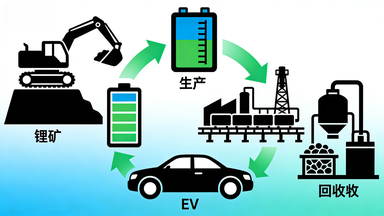
Lithium batteries are generally more environmentally friendly than traditional lead-acid batteries, as they contain no toxic lead and have a longer lifespan (reducing the number of batteries that end up in landfills). However, their production does require mining lithium, cobalt, and other raw materials, which can have environmental impacts if not done responsibly.
The good news is that lithium batteries are highly recyclable. Many manufacturers and recycling facilities offer programs to回收 lithium batteries, recovering valuable materials (lithium, cobalt, nickel) that can be reused in new batteries. As the demand for lithium batteries grows, the recycling infrastructure is expanding, making them an increasingly sustainable choice.
Conclusion: Why Lithium Batteries Are Here to Stay
So, what are lithium batteries? They’re high-performance, versatile power sources that rely on lithium ions to generate electricity, offering superior energy density, long lifespan, and compact design compared to other battery technologies. From powering our daily gadgets to driving the transition to renewable energy and electric transportation, lithium batteries have become a cornerstone of modern life.
As technology advances, lithium batteries will continue to improve—becoming more efficient, safer, and affordable. Whether you’re using a smartphone, an electric car, or a solar storage system, understanding lithium batteries helps you make informed decisions about the devices and technologies you rely on.
In short, lithium batteries aren’t just a trend—they’re a key part of our sustainable energy future.
12 volt lithium battery
solar lithium ion battery
Related Article

In an era where climate change urgency and energy security concerns dominate global conversations, the shift to renewable energy has moved from a "nice-to-have" to a necessity.
green mountain energy

As the global community grapples with climate change, energy security, and rising fossil fuel costs, solar energy has emerged as a beacon of hope in the transition to a cleaner, more sustainable energy system.
pros of solar energy