what is a lithium battery
2025-11-12
What Is a Lithium Battery? A Comprehensive Guide to Its Science, Types, and Uses
In today’s world of smartphones that last all day, electric cars that power cross-country trips, and portable laptops that keep us productive on the go, one technology works quietly behind the scenes to make it all possible: the lithium battery. From tiny devices in your pocket to large-scale energy storage systems, lithium batteries have become the backbone of modern portable power—but what exactly is a lithium battery? Let’s break down its definition, how it works, its key types, and why it’s become so essential in our daily lives.
What Is a Lithium Battery, Exactly?
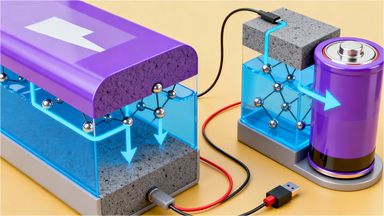
At its core, a lithium battery is a type of rechargeable (or sometimes non-rechargeable) electrochemical device that stores and releases energy by moving lithium ions between two electrodes: a positive cathode and a negative anode. Unlike traditional batteries (like alkaline AA batteries) that rely on chemical reactions involving heavy metals (e.g., zinc or lead), lithium batteries leverage lithium—one of the lightest and most energy-dense metals on the periodic table—to deliver higher power, longer life, and a more compact design.
The key distinction here is between primary lithium batteries (single-use, non-rechargeable) and secondary lithium batteries (rechargeable, designed for repeated use). Most of the devices we use daily—phones, laptops, electric vehicles (EVs)—rely on secondary lithium batteries, which have revolutionized how we access and use portable power.
How Does a Lithium Battery Work?
The science behind lithium batteries is surprisingly straightforward, centered on the flow of lithium ions during charging and discharging:
- Discharging (When You Use the Device):
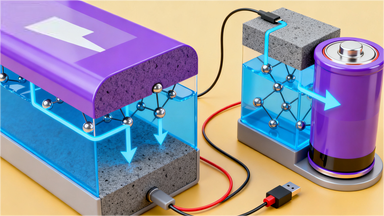
When you turn on your phone or EV, the battery “discharges” energy. Lithium ions move from the negative anode (typically made of graphite) through an electrolyte (a liquid or solid material that conducts ions) to the positive cathode (made of materials like lithium cobalt oxide or lithium iron phosphate). As the ions move, electrons flow through an external circuit—powering your device in the process.
- Charging (When You Plug It In):
When you connect the battery to a charger, the process reverses. The charger applies an electric current that pushes lithium ions back from the cathode to the anode, where they are “stored” until the battery is used again. This cycle can repeat hundreds (or even thousands) of times, depending on the battery’s quality and usage.
What makes this design so effective? Lithium ions are small and lightweight, allowing them to move quickly between electrodes—resulting in fast charging times and high energy output. Additionally, lithium’s high electrochemical potential means the battery can store more energy in a smaller, lighter package compared to older battery technologies.
Common Types of Lithium Batteries
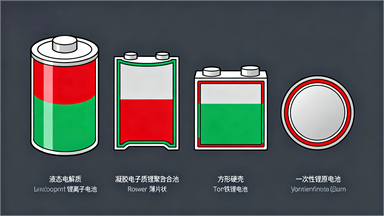
Not all lithium batteries are the same—different designs are optimized for specific uses, from tiny wearables to heavy-duty EVs. Here are the most common types you’ll encounter:
1. Lithium-Ion (Li-Ion) Batteries
The most widespread type, lithium-ion batteries are used in smartphones, laptops, tablets, and most consumer electronics. They’re popular because they offer:
- High energy density (store lots of power without being bulky).
- No “memory effect” (you don’t have to fully discharge them before recharging).
- Low self-discharge (lose very little charge when not in use).
However, they require a built-in protection circuit to prevent overcharging (which can cause overheating).
2. Lithium-Ion Polymer (Li-Po) Batteries
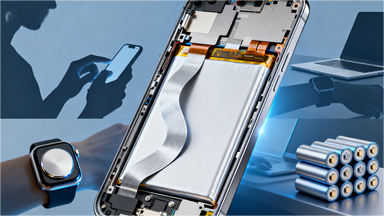
A variation of Li-Ion, lithium-ion polymer batteries use a flexible, gel-like electrolyte instead of a liquid. This allows them to be shaped into thin, custom forms—making them ideal for slim devices like smartwatches, wireless earbuds, and foldable phones. They’re also lighter than traditional Li-Ion batteries but tend to have a slightly shorter lifespan.
3. Lithium Iron Phosphate (LiFePO4 or LFP) Batteries
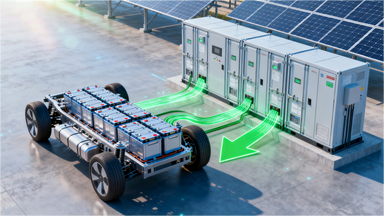
Known for their durability and safety, LFP batteries use a cathode made of lithium iron phosphate instead of cobalt (a costly and less sustainable material). They’re commonly found in EVs (e.g., some Tesla models, BYD cars), solar energy storage systems, and power tools because they:
- Can handle more charge-discharge cycles (up to 10,000 vs. 1,000–2,000 for Li-Ion).
- Are more resistant to overheating and thermal runaway (a rare but dangerous issue where batteries catch fire).
- Are more environmentally friendly (no cobalt or nickel).
4. Primary Lithium Batteries
These are non-rechargeable and designed for single use. You’ll find them in devices that need long-lasting, low-power energy—like smoke detectors, remote controls, and medical devices (e.g., glucose monitors). They have a longer shelf life than alkaline batteries but cannot be recharged, so they’re disposed of once depleted.
Why Lithium Batteries Dominate Modern Technology
Lithium batteries didn’t become ubiquitous by accident—they solve key problems that older battery technologies (like nickel-cadmium or lead-acid) couldn’t:
- High Energy Density: A lithium battery can store 2–3 times more energy per pound than a lead-acid battery, making it perfect for portable devices where size and weight matter.
- Longer Lifespan: Rechargeable lithium batteries can last 2–5 years (or hundreds of charge cycles) before needing replacement, outlasting nickel-based batteries.
- Fast Charging: Many modern lithium batteries (especially Li-Ion and LFP) can charge to 80% capacity in 30–60 minutes, a game-changer for EVs and smartphones.
- Low Maintenance: Unlike lead-acid batteries (which require topping up with water), lithium batteries are “maintenance-free.”
Safety Considerations for Lithium Batteries
While lithium batteries are generally safe, they do require proper handling to avoid risks like overheating, swelling, or fire. Here are key safety tips:
- Use only the charger provided by the device manufacturer (third-party chargers may not have safety protections).
- Avoid exposing batteries to extreme temperatures (e.g., leaving your phone in a hot car or freezing cold garage).
- Do not puncture, crush, or disassemble a lithium battery (this can damage the electrolyte and cause a short circuit).
- Dispose of old or damaged batteries properly—many electronics stores and recycling centers accept lithium batteries to prevent environmental harm.
The Future of Lithium Batteries
As demand for clean energy (EVs, solar power) grows, researchers are working to make lithium batteries even better:
- Faster Charging: New technologies could allow EV batteries to charge in 10–15 minutes (the time it takes to fill a gas tank).
- Higher Capacity: Future batteries may last twice as long as current models, extending phone battery life and EV range.
- Sustainability: Efforts to recycle lithium, cobalt, and nickel from old batteries are reducing reliance on mining and lowering the technology’s environmental footprint.
-
Final Thoughts
Lithium batteries are more than just “power sources”—they’re enablers of the modern lifestyle, powering the devices we rely on and driving the shift to cleaner energy. By understanding what a lithium battery is, how it works, and how to use it safely, you can make smarter choices about your devices and appreciate the technology that keeps our world running.
Do you have questions about lithium batteries—like how to extend your phone’s battery life or which type is best for an EV? Drop a comment below—I’m here to help!
lifepo4 battery
lithium battery
Related Article

In an era where climate change urgency and energy security concerns dominate global conversations, the shift to renewable energy has moved from a "nice-to-have" to a necessity.
green mountain energy

As the global community grapples with climate change, energy security, and rising fossil fuel costs, solar energy has emerged as a beacon of hope in the transition to a cleaner, more sustainable energy system.
pros of solar energy