what is lifepo4 battery
2026-01-03
What Is LiFePO4 Battery? A Comprehensive Guide
In the evolving world of rechargeable battery technologies, LiFePO4 batteries have emerged as a game-changer, celebrated for their exceptional safety, long lifespan, and reliable performance. Short for Lithium Iron Phosphate battery, LiFePO4 is a type of lithium-ion battery that uses lithium iron phosphate (LiFePO4) as the cathode material, distinguishing it from other lithium-ion variants like lithium cobalt oxide (LCO) or lithium nickel manganese cobalt oxide (NCM). Whether you’re an eco-conscious consumer looking for sustainable energy storage, an electric vehicle enthusiast, or a professional seeking durable power solutions for industrial equipment, understanding what LiFePO4 batteries are and their unique benefits is crucial. This blog delves into every essential aspect of LiFePO4 batteries to help you grasp their value and applications.


What Exactly Is a LiFePO4 Battery?
To answer “what is LiFePO4 battery” clearly, let’s break down its core components and working principle. At its heart, a LiFePO4 battery is a type of rechargeable lithium-ion battery where the cathode is made from lithium iron phosphate (LiFePO4), while the anode is typically composed of graphite. The electrolyte, which facilitates the movement of lithium ions between the cathode and anode during charging and discharging, is usually a lithium salt dissolved in an organic solvent.
Unlike traditional lead-acid batteries or other lithium-ion variants, the LiFePO4 chemistry offers distinct structural stability. During charging, lithium ions deintercalate (move out) from the LiFePO4 cathode and intercalate (insert) into the graphite anode; during discharging, this process reverses, generating an electric current to power devices. This mechanism not only enables high energy efficiency but also contributes to the battery’s remarkable safety and longevity—two of its most defining characteristics.
Key Advantages of LiFePO4 Batteries
What sets LiFePO4 batteries apart from other battery technologies? Their unique chemistry gives them a suite of advantages that make them ideal for a wide range of applications. Here are the most notable benefits:
1. Unmatched Safety
Safety is the primary advantage of LiFePO4 batteries. The LiFePO4 cathode material has a stable crystal structure that is highly resistant to thermal runaway—a dangerous reaction where batteries overheat, catch fire, or explode. Even under extreme conditions like overcharging, short-circuiting, physical impact, or high temperatures, LiFePO4 batteries are far less likely to fail catastrophically compared to other lithium-ion batteries (e.g., NCM batteries) or lead-acid batteries. This makes them a top choice for applications where safety is non-negotiable, such as electric vehicles, home energy storage, and medical equipment.
2. Exceptionally Long Lifespan
LiFePO4 batteries boast an impressive cycle life, meaning they can be charged and discharged many more times than other batteries before their capacity degrades significantly. A high-quality LiFePO4 battery can endure 3,000 to 5,000 charge-discharge cycles (or even more) before its capacity drops to 80% of its original value. In contrast, lead-acid batteries typically last only 300 to 500 cycles, and standard lithium-ion batteries (like LCO) last around 1,000 to 2,000 cycles. This extended lifespan translates to lower long-term costs, as users need to replace LiFePO4 batteries far less frequently.
3. Excellent High-Temperature Performance
LiFePO4 batteries perform exceptionally well in high-temperature environments. They can operate reliably at temperatures up to 60°C (140°F) without significant capacity loss or safety risks. This is a major advantage over other lithium-ion batteries, which tend to degrade quickly or become unstable at high temperatures. For applications like solar energy storage (where batteries may be exposed to direct sunlight), electric vehicles (which generate heat during operation), or industrial equipment used in hot climates, LiFePO4 batteries are an ideal choice.
4. High Energy Density and Lightweight
While LiFePO4 batteries have a slightly lower energy density than some high-performance lithium-ion variants (e.g., NCM), they still offer significantly higher energy density than lead-acid batteries. This means they can store more energy in a smaller, lighter form factor. For example, a LiFePO4 battery of the same capacity as a lead-acid battery can be up to 50% lighter and more compact, making it perfect for portable devices, electric scooters, and marine applications where weight and space are critical factors.
5. Low Self-Discharge Rate
LiFePO4 batteries have an extremely low self-discharge rate, losing only 1-2% of their charge per month when not in use. This is much lower than lead-acid batteries (which lose 5-10% per month) and even some other lithium-ion batteries. This makes LiFePO4 batteries ideal for backup power systems, seasonal equipment (like snow blowers or garden tools), or any device that may sit idle for extended periods, as they will still hold enough charge to work when needed.
6. Environmentally Friendly
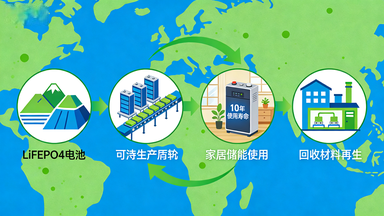
Unlike lead-acid batteries, which contain toxic lead and sulfuric acid, LiFePO4 batteries are free of heavy metals and toxic substances. They are also more energy-efficient to produce and have a longer lifespan, reducing the number of batteries that end up in landfills. Additionally, LiFePO4 batteries are recyclable, making them a more sustainable choice for eco-conscious consumers and businesses.

Common Applications of LiFePO4 Batteries
Thanks to their safety, longevity, and versatility, LiFePO4 batteries are used in a wide range of applications across consumer, industrial, and renewable energy sectors. Here are some of the most common uses:
-
Home Energy Storage Systems: LiFePO4 batteries are a popular choice for residential solar energy storage. They store excess energy generated by solar panels during the day, which can be used at night or during power outages to power essential appliances like refrigerators, lights, and routers. Their long lifespan and safety make them ideal for long-term home energy solutions.
-
Electric Vehicles (EVs) and E-Mobility: Many electric vehicles, including electric cars, buses, scooters, bikes, and golf carts, use LiFePO4 batteries. Their high safety, long cycle life, and high-temperature performance make them well-suited for the demands of daily transportation. For example, electric scooters equipped with LiFePO4 batteries offer longer range and more reliable performance than those with lead-acid batteries.
-
Industrial and Commercial Equipment: LiFePO4 batteries power a variety of industrial equipment, such as forklifts, warehouse utility trucks, construction tools, and backup power systems for commercial buildings. Their durability and ability to withstand heavy use make them a cost-effective choice for businesses.
-
Marine and RV Applications: Boats, yachts, and recreational vehicles (RVs) often use LiFePO4 batteries for their power needs. Their lightweight design, low self-discharge rate, and resistance to vibration make them ideal for marine and outdoor environments.
-
Portable Electronics and Tools: Some high-end portable electronics, such as laptops, cameras, and portable generators, use LiFePO4 batteries for their reliable performance and long lifespan. Professional cordless tools (e.g., drills, saws) also benefit from LiFePO4 batteries, as they offer longer runtime and faster charging.
Tips for Choosing and Maintaining a LiFePO4 Battery
To get the most out of your LiFePO4 battery, it’s important to choose the right one for your needs and follow proper maintenance practices. Here are key considerations and tips:
Key Factors to Consider When Buying
-
Capacity (Ah Rating): Capacity, measured in ampere-hours (Ah), indicates how much energy the battery can store. A higher Ah rating means longer runtime for your device. When choosing, consider your typical usage—for example, a 10Ah LiFePO4 battery will power an electric scooter longer than a 5Ah battery of the same voltage.
-
Cell Quality: The quality of the LiFePO4 cells directly impacts performance and lifespan. Look for batteries made with high-quality cells from reputable manufacturers (e.g., CATL, BYD, Samsung). These cells undergo rigorous testing to ensure consistency and reliability.
-
Safety Features: While LiFePO4 batteries are inherently safe, look for models with additional built-in protection mechanisms, such as overcharge protection, over-discharge protection, short-circuit protection, and temperature protection. These features further enhance safety and extend the battery’s lifespan.
-
Compatibility: Ensure the battery is compatible with your device in terms of voltage, connector type, and physical dimensions. Using an incompatible battery can damage your device or the battery itself.
-
Warranty: A good warranty is a sign of the manufacturer’s confidence in their product. Look for LiFePO4 batteries with a warranty of at least 2-5 years, which covers defects in materials and workmanship.
Maintenance Tips to Maximize Lifespan
-
Use a Compatible Charger: Always charge your LiFePO4 battery with a charger specifically designed for LiFePO4 chemistry. Non-compatible chargers may deliver the wrong voltage or current, damaging the battery.
-
Avoid Extreme Temperatures: While LiFePO4 batteries perform well in high temperatures, avoid storing or using them in extreme heat (above 60°C) or cold (below 0°C) for extended periods, as this can degrade capacity over time.
-
Store Properly: When not in use for extended periods, store the battery in a cool, dry place at 40-60% capacity. This is the optimal charge level for long-term storage and helps prevent capacity loss.
-
Keep Terminals Clean: Regularly inspect the battery’s terminals and clean them with a dry, soft cloth if they’re dirty or corroded. Corrosion can interfere with the battery’s connection to your device.
-
Avoid Deep Discharging: While LiFePO4 batteries can handle deep discharges better than other batteries, it’s still best to recharge them before the capacity drops below 20%. This reduces stress on the cells and extends lifespan.
Is a LiFePO4 Battery Worth the Investment?
LiFePO4 batteries typically have a higher upfront cost than lead-acid batteries and some other lithium-ion variants. However, their long lifespan, superior safety, and lower long-term maintenance costs make them a worthwhile investment for most users—especially those who rely on their devices daily or need a reliable long-term power solution.
For example, a home energy storage system with a LiFePO4 battery will last 3-5 times longer than one with a lead-acid battery, meaning you’ll save money on replacements over time. For professionals using cordless tools, the longer runtime and faster charging of LiFePO4 batteries reduce downtime and increase productivity. And for eco-conscious consumers, the environmental benefits of LiFePO4 batteries (no toxic materials, recyclable) are an added bonus.

Conclusion
So, what is a LiFePO4 battery? It’s a high-performance, safe, and long-lasting rechargeable lithium-ion battery that uses lithium iron phosphate as the cathode material. Its unique chemistry gives it advantages like exceptional safety, long cycle life, high-temperature performance, and environmental friendliness, making it ideal for a wide range of applications—from home energy storage and electric vehicles to industrial equipment and portable electronics.
By understanding the key features, applications, and maintenance tips of LiFePO4 batteries, you can make an informed decision when choosing a power solution. While they may cost more upfront, their long-term value, reliability, and safety make them a smart investment for anyone seeking a durable and sustainable battery option.
baterai lifepo4
100ah lifepo4 battery
Related Article
In an era where climate change urgency and energy security concerns dominate global conversations, the shift to renewable energy has moved from a "nice-to-have" to a necessity.
green mountain energy
As the global community grapples with climate change, energy security, and rising fossil fuel costs, solar energy has emerged as a beacon of hope in the transition to a cleaner, more sustainable energy system.
pros of solar energy