what is lithium used for
2025-12-12

What Is Lithium Used For? The Versatile Metal Powering Our World
Walk through your home, commute to work, or visit a hospital—lithium is everywhere, even if you can’t see it. As the lightest metal on the periodic table (and one with extraordinary chemical properties), it’s become an irreplaceable material in modern life. But what exactly is lithium used for? From powering your phone to treating mental health conditions, let’s explore the diverse, game-changing applications of this tiny but mighty element.

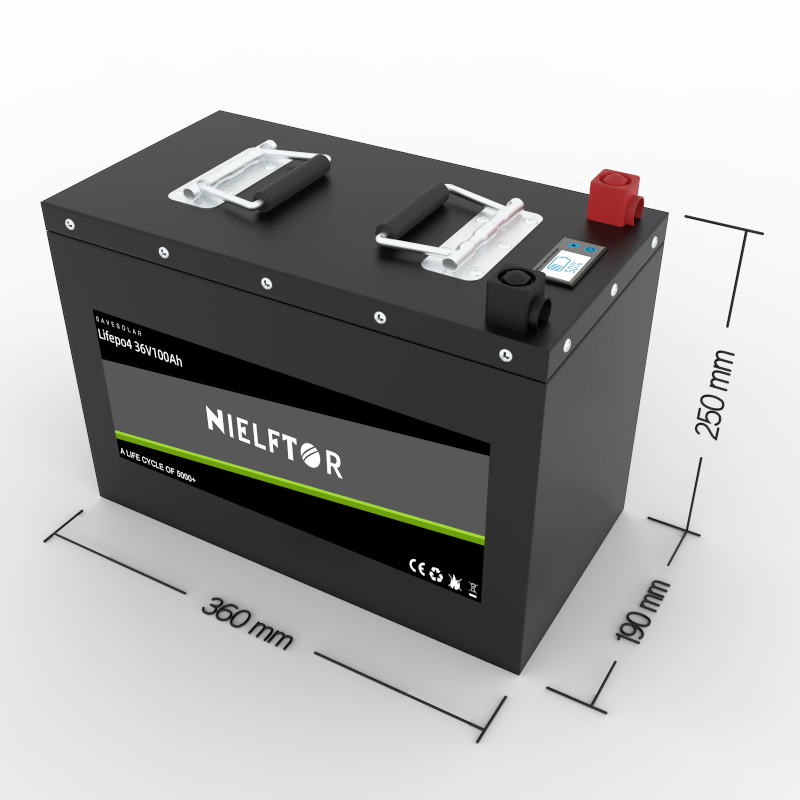
1. The #1 Use: Lithium Batteries (Our Digital & Green Energy Backbone)
By far the most well-known use of lithium is in batteries—and for good reason. Lithium’s unique traits (high electrochemical potential, low density, and ability to store large amounts of energy) make it perfect for powering devices and vehicles that demand portability and long-lasting performance.
a. Consumer Electronics
Nearly every gadget in your pocket or bag relies on lithium-based batteries:
- Smartphones, laptops, and tablets: Lithium-ion (Li-Ion) or lithium-polymer (Li-Po) batteries deliver the compact, lightweight power needed for all-day use.
- Wireless earbuds, smartwatches, and cameras: Small, high-energy lithium batteries keep these tiny devices running without frequent charging.
- Power banks and portable chargers: Lithium’s energy density lets these accessories juice up your phone multiple times on a single charge.
b. Electric Vehicles (EVs) & Sustainable Transportation
Lithium is the backbone of the global shift to clean energy. EVs depend on lithium-ion batteries because they:
- Offer longer driving ranges (300+ miles per charge) compared to older battery technologies.
- Are lightweight (critical for reducing vehicle weight and boosting efficiency).
- Have fast-charging capabilities (many EVs charge to 80% in 30 minutes).
- Examples: Tesla, BYD, and Ford EVs all use lithium batteries—some (like Tesla’s LFP models) even use lithium iron phosphate for extra safety and longevity.
c. Energy Storage Systems
Renewable energy (solar and wind) is intermittent—sun doesn’t shine at night, wind doesn’t blow 24/7. Lithium batteries solve this problem by storing excess energy:
- Home storage: Tesla Powerwall, LG Chem RESU, and Sonnen batteries store solar energy for nighttime use or power outages.
- Grid-scale storage: Large lithium battery farms (like California’s Moss Landing Energy Storage Facility) balance the electrical grid, preventing blackouts and making renewable energy more reliable.
-
2. Industrial Applications: Making Materials Stronger, Safer, & More Efficient
Beyond batteries, lithium’s chemical properties make it a secret ingredient in many industrial products.
a. Glass & Ceramics
Lithium oxide (a compound of lithium) is added to glass and ceramics to:
- Improve heat resistance: Think of oven-safe cookware, laboratory glassware (like beakers), and smartphone screen protectors—they can withstand high temperatures without cracking.
- Enhance transparency: Lithium helps glass stay clear, even in extreme conditions (used in airplane windows and high-performance lenses).
- Reduce weight: Lithium makes ceramics lighter, which is why it’s used in dental crowns and aerospace components.
b. Lubricants & Greases
Lithium-based greases are the most widely used lubricants in the world—here’s why:
- They work in extreme temperatures (-50°C to 150°C), making them ideal for cars, trucks, and industrial machinery.
- They stick to metal surfaces (even under high pressure), reducing friction and wear on engines, gears, and bearings.
- You’ll find them in everything from car engines and bike chains to factory equipment and wind turbine gears.
c. Metallurgy (Metal Production)
Lithium is used as an additive in making aluminum and magnesium alloys:
- It removes impurities (like oxygen and nitrogen) from molten metal, making the final product stronger and more durable.
- Aluminum-lithium alloys are lighter than pure aluminum but just as strong—used in airplane wings, spacecraft, and high-performance cars (to reduce weight and improve fuel efficiency).
-
3. Medical Uses: Treating Mental Health Conditions
Lithium isn’t just for tech and industry—it’s a life-saving medication for millions.
a. Bipolar Disorder Treatment
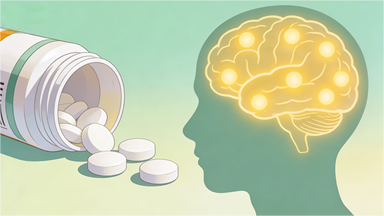
For over 70 years, lithium has been the gold standard for treating bipolar disorder (manic-depressive illness). Here’s how it works:
- It stabilizes mood by regulating brain chemicals (like serotonin and dopamine) and reducing extreme swings between mania (high energy, impulsivity) and depression (low mood, fatigue).
- Unlike some psychiatric drugs, lithium reduces the risk of suicide in people with bipolar disorder—a critical benefit.
b. Other Medical Applications
- Schizophrenia: In some cases, lithium is used alongside antipsychotic drugs to improve symptoms.
- Alzheimer’s Disease: Research is ongoing to see if lithium can slow cognitive decline (early studies show promise, but more research is needed).
4. Emerging Uses: The Future of Lithium
As technology advances, new uses for lithium are being discovered—here are the most exciting ones:
a. Nuclear Fusion
Lithium is a key fuel for nuclear fusion (the same process that powers the sun). When lithium is bombarded with neutrons, it produces tritium (a hydrogen isotope) and helium—tritium is used to fuel fusion reactions. Fusion has the potential to be a clean, limitless energy source, and lithium will be essential to making it a reality.
b. Aerospace & Defense
- Rocket propellants: Lithium compounds are used in some rocket fuels to boost thrust.
- Missile guidance systems: Lithium batteries power sensitive electronics in missiles and drones, thanks to their long life and reliability.
c. Water Treatment
Lithium chloride is used to remove silica (a mineral) from industrial water supplies—silica can clog pipes and damage equipment, so lithium helps keep systems running smoothly.

The Dark Side: Sustainability Challenges of Lithium Use
While lithium is incredibly useful, its extraction and production come with environmental and social costs:
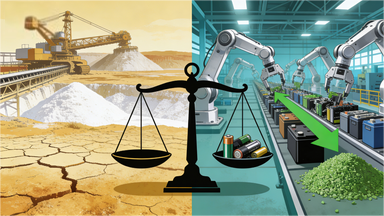
- Mining Impact: Most lithium is mined from brine lakes (in Chile, Argentina, and Bolivia) or hard rock (in Australia). Brine mining uses massive amounts of water (draining local ecosystems), while hard rock mining causes deforestation and soil erosion.
- Supply Chain Issues: Demand for lithium is skyrocketing (EV sales alone are expected to grow 10x by 2030), leading to concerns about supply shortages.
- Recycling: Only ~5% of lithium batteries are recycled today. However, new technologies are making it easier to recover lithium, cobalt, and nickel from old batteries—turning waste into valuable resources.
The good news? Companies and governments are investing in greener mining methods (like direct lithium extraction, which uses less water) and expanding recycling programs. As we rely more on lithium, sustainability will be key to ensuring it benefits the planet, not harms it.

Final Thoughts: Lithium Is More Than a Metal—It’s a Catalyst for Progress
From powering our phones to fighting climate change (via EVs and renewable energy storage) to saving lives (via mental health treatment), lithium’s uses are as diverse as they are impactful. It’s easy to take this tiny metal for granted, but without it, our digital, green, and healthy lives would look very different.
Do you have questions about lithium’s uses? Want to learn more about sustainable lithium mining or how to recycle your old batteries? Drop a comment below—I’d love to dive deeper!
lithium golf cart batteries
lithium batteries
Related Article

In an era where climate change urgency and energy security concerns dominate global conversations, the shift to renewable energy has moved from a "nice-to-have" to a necessity.
green mountain energy
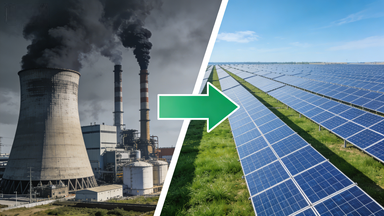
As the global community grapples with climate change, energy security, and rising fossil fuel costs, solar energy has emerged as a beacon of hope in the transition to a cleaner, more sustainable energy system.
pros of solar energy