what is lithium
2025-12-05
What Is Lithium? The Unsung Hero Powering Our Modern World
If you’ve ever wondered what makes your smartphone hold a charge, your electric car drive hundreds of miles, or even your favorite smartwatch track your steps—look no further than lithium. This unassuming metal is everywhere in our daily lives, yet most of us know little about it. Let’s dive into what lithium is, its unique traits, where it comes from, and why it’s become one of the most critical materials of the 21st century.

First: What Is Lithium, Exactly?
At its core, lithium (chemical symbol: Li) is a soft, silvery-white metal—and the lightest metal on the periodic table (atomic number 3, atomic weight just 6.94). Discovered in 1817 by Swedish chemist Johan August Arfwedson, lithium is part of the alkali metal group (alongside sodium and potassium), which means it’s highly reactive and never found in its pure form in nature (it bonds quickly with other elements like oxygen or chlorine).
What makes lithium stand out? Its extraordinary electrochemical potential. Unlike heavier metals, lithium can easily release and absorb electrons, a trait that makes it ideal for storing energy—hence its star role in batteries. It’s also the least dense solid element (about half the density of water), which explains why lithium-powered devices feel lightweight.
Key Properties of Lithium: Why It’s So Useful
Lithium’s unique characteristics are the reason it’s indispensable in modern tech. Let’s break down the most important ones:
- Ultra-Lightweight: As the lightest metal, lithium adds minimal weight to products. This is a game-changer for portable devices (think slim smartphones) and electric vehicles (EVs)—less weight means better fuel efficiency and longer range.
- High Reactivity: Lithium readily loses electrons, making it an excellent “electron donor” in batteries. This reactivity is what allows lithium-ion batteries to store and release energy efficiently.
- Low Melting Point: Unlike many metals, lithium melts at just 180.5°C (357°F)—a relatively low temperature that makes it easy to process into different forms (like thin foils or powders) for manufacturing.
- Oxidation Sensitivity: Pure lithium reacts quickly with air and water (it even catches fire if exposed to moisture!), so it’s usually stored in mineral oil or argon gas to prevent corrosion. This sensitivity is why lithium is always used in compound form (e.g., lithium carbonate, lithium cobalt oxide) in products.
Where Does Lithium Come From?
Since lithium doesn’t exist naturally as a pure metal, we extract it from two main sources:
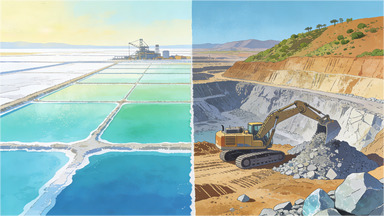
1. Salt Lakes (Brine Deposits)
The most common and cost-effective source. Lithium-rich brine (salty water) is found in arid regions with ancient lake beds, like Chile’s Atacama Desert (the world’s largest lithium reserve), Bolivia’s Salar de Uyuni, and Nevada’s Silver Peak in the U.S.
Extracting lithium from brine is straightforward:
- Pump brine into large evaporation ponds.
- Let the sun evaporate water over 6–12 months, leaving behind a concentrated mix of lithium, sodium, and potassium salts.
- Refine the mixture to isolate lithium carbonate (a white powder used in batteries and glass).
2. Hard Rock Minerals
Lithium is also mined from minerals like spodumene, lepidolite, and petalite—found in hard rock deposits. Australia (the world’s top lithium producer) leads this category, with mines like Greenbushes in Western Australia.
Extracting lithium from hard rock involves:
- Drilling and blasting to remove rock.
- Crushing and grinding the rock into a fine powder.
- Using chemicals (like sulfuric acid) to leach lithium from the powder.
- Purifying the lithium into usable compounds.
3. Other Emerging Sources
Scientists are exploring new ways to source lithium, including:
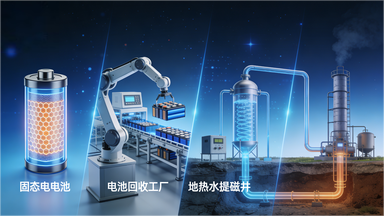
- Geothermal brine (hot, mineral-rich water from geothermal power plants).
- Recycled lithium-ion batteries (a growing source as EVs and devices reach end-of-life).
-
What Is Lithium Used For? (Spoiler: More Than Batteries!)
When most people hear “lithium,” they think of batteries—and for good reason. But this versatile metal has dozens of other uses:
1. Lithium-Ion Batteries (The Big One!)
As we explored in our guide to lithium batteries, lithium is the heart of rechargeable Li-ion, Li-Po, and LFP batteries. These power:
- Consumer electronics (smartphones, laptops, wireless earbuds).
- Electric vehicles (EVs) and hybrid cars (Tesla, Ford, and Toyota all rely on lithium).
- Energy storage systems (like Tesla Powerwall, which stores solar energy for homes).
2. Ceramics and Glass
Lithium carbonate is added to glass and ceramic mixtures to:
- Lower melting points (reducing energy use in manufacturing).
- Make glass stronger and more heat-resistant (used in ovenware, smartphone screens, and laboratory glassware).
- Create vibrant glazes for pottery.
3. Industrial Lubricants
Lithium-based greases (called “lithium soaps”) are used in car engines, bearings, and machinery. They stay stable at extreme temperatures (from -50°C to 150°C) and last longer than traditional greases.
4. Pharmaceuticals
Lithium has been used for decades to treat bipolar disorder and depression. It helps stabilize mood by regulating neurotransmitters in the brain (though it requires careful monitoring due to potential side effects).
5. Aerospace and Nuclear Energy
- In aerospace, lithium is used to make lightweight alloys for aircraft parts (since it reduces weight without sacrificing strength).
- In nuclear energy, lithium-6 (a rare isotope of lithium) is used to produce tritium, a fuel for nuclear fusion reactors.
The Sustainability Challenge: Balancing Demand and Planet Health
Lithium is critical for the green energy transition (EVs and solar storage help reduce fossil fuel use), but its extraction comes with environmental and ethical risks:
- Water Use: Brine extraction uses millions of gallons of water annually—straining resources in arid regions (e.g., Chile’s Atacama Desert, where local communities face water shortages).
- Ecosystem Damage: Hard rock mining can destroy habitats, disrupt wildlife, and cause soil erosion.
- Ethical Sourcing: Some lithium mines have faced criticism for poor labor practices (including child labor in parts of Africa) and unfair treatment of Indigenous communities.
The good news? The industry is adapting:
- Recycling: New technologies allow 95% of lithium to be recovered from old batteries. Companies like Redwood Materials and Li-Cycle are scaling up recycling facilities to reduce reliance on mining.
- Eco-Friendly Extraction: Innovations like direct lithium extraction (DLE) use less water and time than traditional brine evaporation.
- Ethical Certifications: Organizations like the Responsible Lithium Initiative are working to set standards for fair labor and environmental protection.
Final Thoughts: Lithium’s Role in Our Future
Lithium isn’t just a metal—it’s a cornerstone of our shift to a more connected, sustainable world. From powering our phones to fighting climate change via EVs, its impact is undeniable. As demand grows, the key will be to source and use lithium responsibly—ensuring it benefits both people and the planet.
Curious about how lithium batteries work (we touched on that earlier!) or want to learn more about EV battery technology? Drop a comment below—I’d love to dive deeper!
what is a lithium batteries
lithium
Related Article

In an era where climate change urgency and energy security concerns dominate global conversations, the shift to renewable energy has moved from a "nice-to-have" to a necessity.
green mountain energy
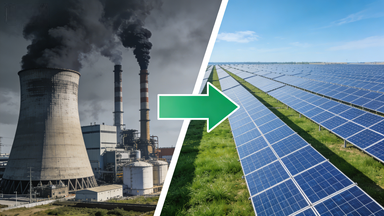
As the global community grapples with climate change, energy security, and rising fossil fuel costs, solar energy has emerged as a beacon of hope in the transition to a cleaner, more sustainable energy system.
pros of solar energy