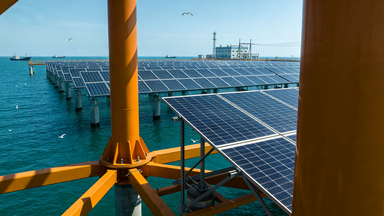
what is solar energy
2025-10-31

What Is Solar Energy? A Simple Guide to Harnessing the Sun’s Power
If you’ve ever felt the warmth of the sun on your skin or used a solar-powered calculator, you’ve interacted with solar energy—but what exactly is it? At its core, solar energy is the radiant light and heat emitted by the sun that we can capture and convert into usable forms of energy, like electricity or heat. Unlike fossil fuels (coal, oil, gas) that are finite and polluting, solar energy is renewable, abundant, and clean—and it’s becoming an increasingly popular way to power homes, businesses, and even entire communities. Let’s break down what solar energy is, how it works, and why it matters.
What Is Solar Energy, Exactly?
The sun is a giant nuclear reactor 93 million miles away, producing energy nonstop through a process called nuclear fusion. Every second, the sun releases enough energy to power the entire planet for 100,000 years—but only a tiny fraction of that energy reaches Earth. Solar energy is that fraction: it travels to us as electromagnetic radiation, which includes visible light, infrared (heat) rays, and ultraviolet rays.
For humans, the key is turning that raw solar radiation into something useful. We do this with two main technologies: solar photovoltaic (PV) systems (which make electricity) and solar thermal systems (which make heat). Both rely on the sun’s energy, but they serve different purposes—and together, they’re changing how we think about power.

How Does Solar Energy Work?
Let’s start with the most common type: solar PV. You’ve probably seen solar panels on rooftops or in large “solar farms”—these panels are made of small cells (usually silicon, a material that conducts electricity) that absorb sunlight. When sunlight hits a PV cell, it knocks electrons loose from their atoms, creating a flow of electricity (called a “direct current” or DC). Since most homes and businesses use “alternating current” (AC), an inverter converts DC to AC—and boom: you have solar power to run your lights, fridge, or laptop.
Solar thermal systems work a bit differently. Instead of making electricity, they capture the sun’s heat to warm water or air. For example, a residential solar water heater has panels filled with a fluid (like antifreeze) that absorbs sunlight and heats up. That hot fluid then transfers its heat to a water tank, providing warm water for showers, laundry, or even space heating. Larger solar thermal systems can heat buildings or power industrial processes—like drying crops or generating steam for factories.
The best part? Both systems are passive or active. Passive solar design (think south-facing windows that let sunlight warm a room) doesn’t need any equipment—it just uses smart architecture. Active solar systems (like PV panels or solar water heaters) use technology to capture and distribute energy. Either way, the sun is the fuel—and it’s free.
Why Solar Energy Matters: Key Benefits
Now that you know what solar energy is and how it works, let’s talk about why it’s so important. Here are the biggest advantages:
- Renewable & Sustainable: The sun will keep shining for about 5 billion more years—so solar energy won’t run out, unlike coal or oil. It’s a long-term solution to our energy needs.
- Clean & Emission-Free: Solar energy produces no greenhouse gases (like carbon dioxide) or air pollutants when it’s used. This helps fight climate change and improves air quality—no more smog from power plants.
- Cost-Effective (Over Time): While solar panels have an upfront cost, the sun’s energy is free. Once installed, solar systems can lower or even eliminate your electricity bill. Many governments also offer tax credits or rebates to make solar more affordable, and panel prices have dropped by over 80% in the last decade.
- Accessible Anywhere: Even remote areas without access to the power grid can use solar energy (think small villages in developing countries with solar-powered lights or water pumps). It’s a way to bring electricity to people who need it most.
- Low Maintenance: Solar panels are durable (most come with 25-30 year warranties) and only need occasional cleaning (to remove dirt or leaves). There are no moving parts, so there’s little to fix or replace.
-
Common Myths About Solar Energy (Busted!)
Even with its benefits, some people still have questions about solar energy. Let’s clear up a few myths:
- Myth 1: “Solar only works when it’s sunny.”
Fact: Solar panels still work on cloudy days (they absorb indirect sunlight), though they’re less efficient. Many systems also have batteries to store excess energy for nights or cloudy weather.
- Myth 2: “Solar is too expensive.”
Fact: As mentioned, upfront costs are dropping, and long-term savings are huge. For example, a typical U.S. home with solar saves \(1,000-\)1,500 per year on electricity bills.
- Myth 3: “Solar panels damage your roof.”
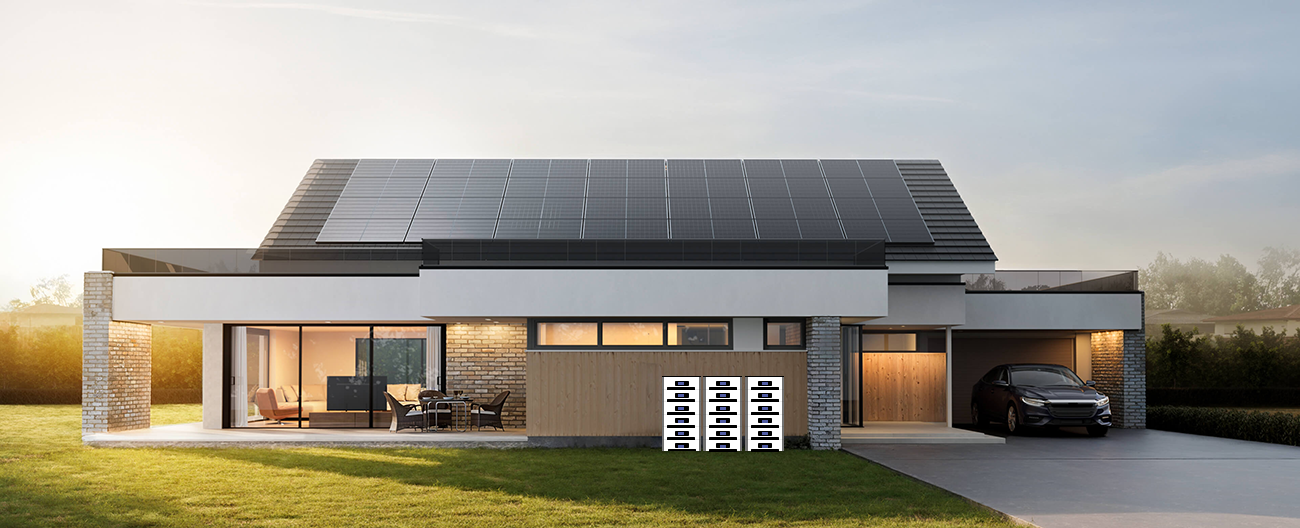
Fact: Professional installation ensures panels are mounted safely, and many roofs last longer with panels (they protect against rain, snow, and UV rays).
Final Thoughts: Solar Energy for Everyone
So, to circle back to the question: “What is solar energy?” It’s more than just sunlight—it’s a clean, renewable, and accessible way to power our lives without harming the planet. Whether you’re a homeowner looking to cut bills, a business aiming to go green, or someone who cares about the future of the Earth, solar energy offers a solution.
As technology improves and costs keep falling, solar is no longer a “nice-to-have”—it’s a practical choice for millions. The sun is shining every day—why not use its power?
Do you have more questions about solar energy, like how to install panels or calculate savings? Leave a comment below—I’m happy to help!
how is solar energy produced
Related Article
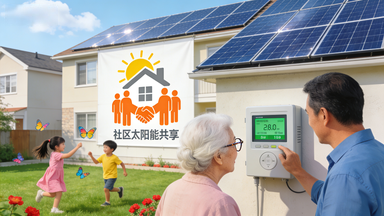
In an era where climate change urgency and energy security concerns dominate global conversations, the shift to renewable energy has moved from a "nice-to-have" to a necessity.
green mountain energy
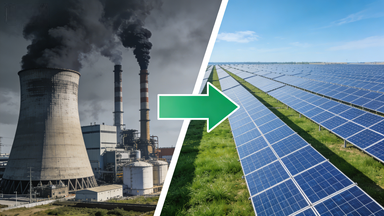
As the global community grapples with climate change, energy security, and rising fossil fuel costs, solar energy has emerged as a beacon of hope in the transition to a cleaner, more sustainable energy system.
pros of solar energy